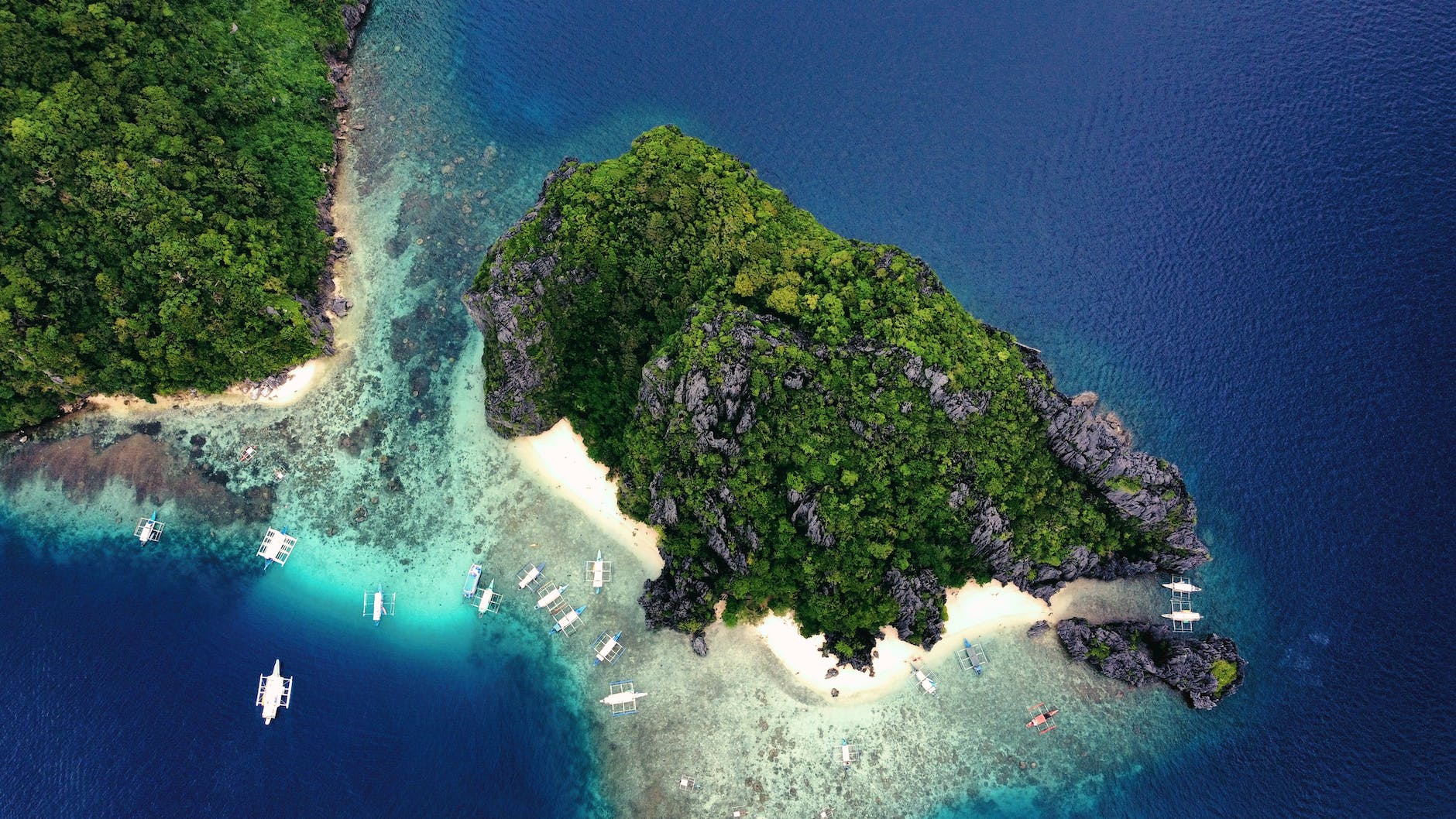
Located in the stunning Palawan province of the Philippines, El Nido is a tropical paradise renowned for its breathtaking landscapes, crystal-clear waters, and diverse marine life. This idyllic destination is a haven for nature lovers, adventurers, and travelers seeking refuge from the rigors of urban life. Whether it’s the dramatic limestone cliffs, hidden lagoons, or vibrant coral reefs, El Nido is a testament to the natural beauty that the Philippines has to offer.
Geography and Climate
El Nido is situated on the northern tip of Palawan, approximately 420 kilometers southwest of Manila. The region is characterized by its unique karst topography, where towering limestone cliffs rise dramatically from the azure sea. This geological formation was created over millions of years through the processes of erosion and sedimentation, resulting in spectacular sights like the Big Lagoon, Small Lagoon, and the Secret Lagoon that attract visitors from around the globe. The tropical climate spans two distinct seasons: the dry season from November to May and the wet season from June to October, making it an ideal year-round destination, especially between December and April when rain is at its least.
Biodiversity and Marine Life
El Nido is not only beautiful; it is also a UNESCO World Heritage Site. The region is home to an impressive range of biodiversity, both on land and underwater. The waters surrounding El Nido are part of the El Nido-Taytay Managed Resource Protected Area, which encompasses over 900 square kilometers of marine and coastal ecosystems. This area boasts over 250 species of coral and hundreds of fish species, creating a vibrant underwater landscape that invites snorkeling and scuba diving enthusiasts.
The rich marine environment attracts various species such as turtles, rays, and even whale sharks. Scuba diving in El Nido provides an opportunity to explore stunning coral gardens and shipwrecks, making it a hotspot for both beginner and experienced divers. The flourishing mangroves and lush forests on the islands further contribute to the rich biodiversity and serve as a crucial habitat for numerous birds and other wildlife, including the endemic Palawan hornbill.

Economic Importance and Local Culture
While tourism plays a significant role in El Nido’s economy, the local culture remains deeply intertwined with nature. The town is home to indigenous groups, including the Tagbanua people, who have called this area home for centuries. They have their own customs, traditions, and languages that enrich the cultural tapestry of the region. Local communities engage in sustainable practices, such as fishing and farming, that honor their ancestral lands while adapting to the pressures of modern tourism.
The economic impact of tourism has led to increased job opportunities for locals in hospitality, guiding, and other service sectors. Yet, this rapid development brings challenges as well, such as environmental degradation and over-tourism. Efforts are being made to promote responsible tourism practices to ensure that El Nido retains its natural beauty and cultural integrity for future generations.
Activities and Attractions
El Nido offers a diverse range of activities for its visitors. Island hopping tours are among the most popular options, allowing travelers to explore the surrounding islands, hidden beaches, and natural wonders. Tour A, for example, takes participants to highlights like the Small Lagoon and Shimizu Island for snorkeling, while Tour C includes visits to secret lagoons and hidden beaches.
In addition to water activities, visitors can also enjoy hiking trails, inland explorations, and birdwatching. As the sun sets, the vibrant nightlife of El Nido reveals itself with lively bars, local restaurants serving fresh seafood, and traditional music that echoes through the streets.
summary
El Nido represents more than just a picturesque vacation destination; it is a site of cultural significance, ecological wonder, and a community striving to balance tourism and environmental sustainability. As travelers continue to flock to this tropical paradise, it is imperative for both visitors and local stakeholders to recognize the importance of preserving its natural and cultural heritage. By cultivating a greater awareness of responsible tourism practices, we can ensure that El Nido remains a shining gem of the Philippines for generations to come. As more people discover the beauty and allure of El Nido, it is essential to approach this paradise with a sense of respect and responsibility that honors its rich ecosystems and vibrant culture.





Leave a Reply