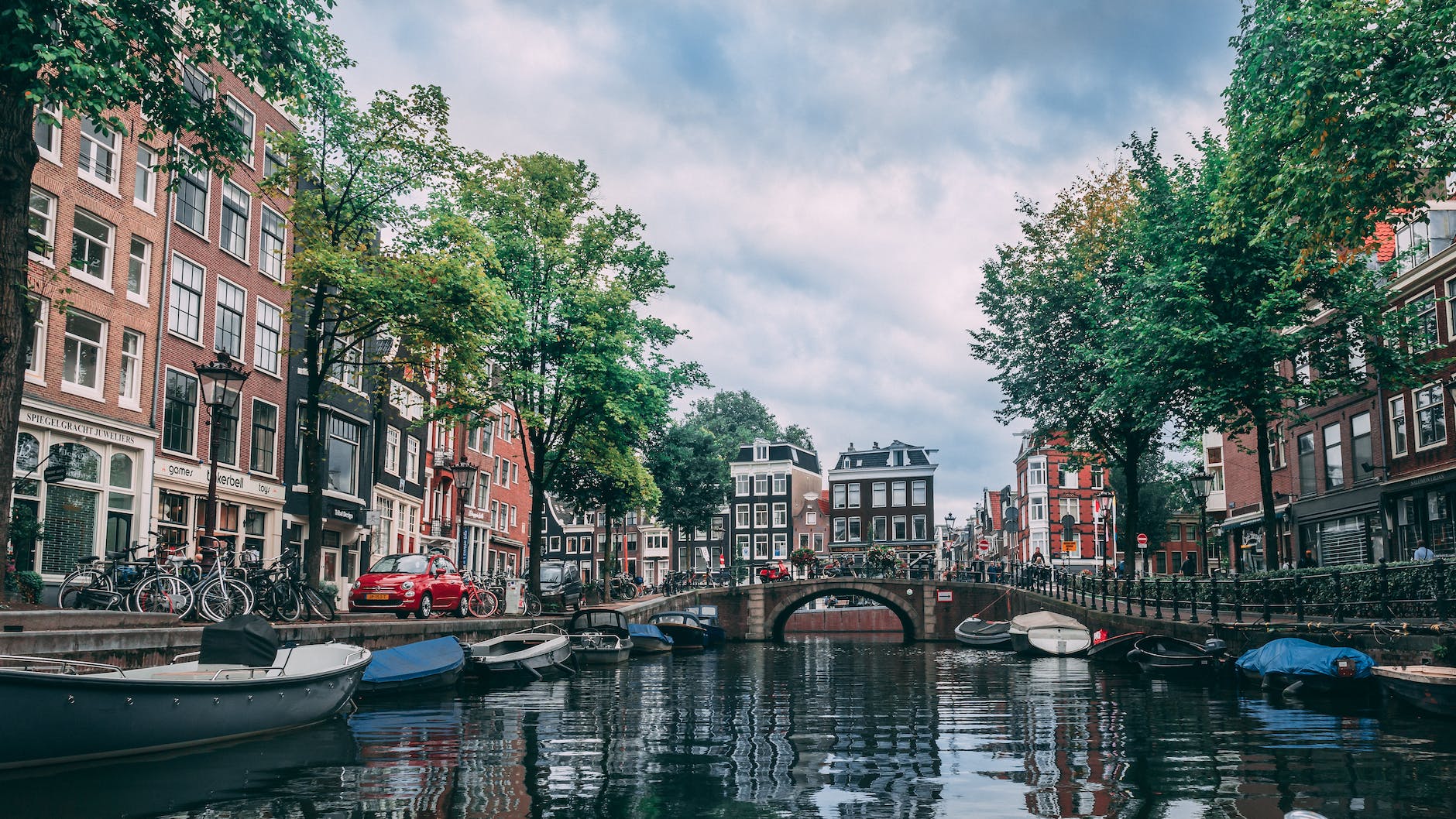
Amsterdam, the capital city of the Netherlands, is renowned for its picturesque canals, vibrant cultural scene, and rich historical tapestry. With its distinctive 17th-century architecture, extensive waterways, and a unique blend of modernity and tradition, Amsterdam has captured the hearts of millions around the globe. This explores the city’s historical significance, cultural offerings, and the challenges it faces in the contemporary world.
Historical Significance
Amsterdam’s history traces back to the late 12th century when it began as a humble fishing village situated along the Amstel River. It gained prominence during the Dutch Golden Age in the 17th century, a period when the city blossomed into one of the world’s most important trading hubs. Wealth accumulated from shipping and trade led to the construction of its famous canal ring, which was designated a UNESCO World Heritage site in 2010. This canal system, with its characteristic houses and bridges, epitomizes Amsterdam’s commitment to innovative urban planning and engineering.
Moreover, the city played a central role in the development of art, science, and philosophy during this period. It was home to renowned artists such as Rembrandt, Vermeer, and Hals, whose masterpieces continue to be celebrated in some of the city’s world-class museums, including the Rijksmuseum and the Van Gogh Museum. The city’s intellectual spirit also thrived, with prominent philosophers like Spinoza making significant contributions to Enlightenment thought.
Cultural Offerings
Amsterdam is a cultural melting pot, boasting an eclectic mix of attractions that cater to diverse interests. The city’s museums are a testament to its rich artistic legacy. The Rijksmuseum houses masterpieces from the Dutch Masters, while the Van Gogh Museum holds the largest collection of works by Vincent van Gogh, providing visitors with an insight into the life and mind of one of art history’s most influential figures.
In addition to its artistic heritage, Amsterdam is known for its lively festivals, such as King’s Day and the Amsterdam Dance Event, which showcase the city’s vibrant spirit and community involvement. The city also embraces a progressive cultural landscape, with a thriving LGBTQ+ scene, reflected annually in the Amsterdam Pride parade, which attracts visitors from around the world.
The culinary scene in Amsterdam is equally diverse, ranging from traditional Dutch fare to international cuisines. Local specialties, such as stroopwafels, herring, and poffertjes, can be found at various street markets and eateries, enhancing the city’s appeal to food lovers.

Contemporary Challenges
Despite its beauty and cultural wealth, Amsterdam faces several contemporary challenges. One of the most pressing issues is the impact of mass tourism. The city attracts millions of visitors each year, leading to overcrowding and strain on local infrastructure. This influx has raised concerns about the preservation of the city’s historic neighborhoods and overall quality of life for residents.
Additionally, like many global cities, Amsterdam grapples with issues of housing affordability. Rising property prices and a shortage of affordable housing have made it increasingly difficult for many locals to find suitable accommodation. This has sparked debates about urban policy and the need for sustainable development that balances the needs of residents and tourists alike.
Summary
Amsterdam is a city that embodies the confluence of history, culture, and modernity. Its canals, historical sites, and artistic treasures offer a glimpse into its rich past, while its diverse cultural scene ensures that it remains a vibrant hub of creativity and innovation. As it navigates the challenges posed by tourism and urban development, Amsterdam stands as a testament to the resilience of its community and its commitment to preserving its unique heritage for future generations. Exploring this remarkable city provides not only a journey through time but also an appreciation for the intricacies that shape urban life in the 21st century.






Leave a Reply