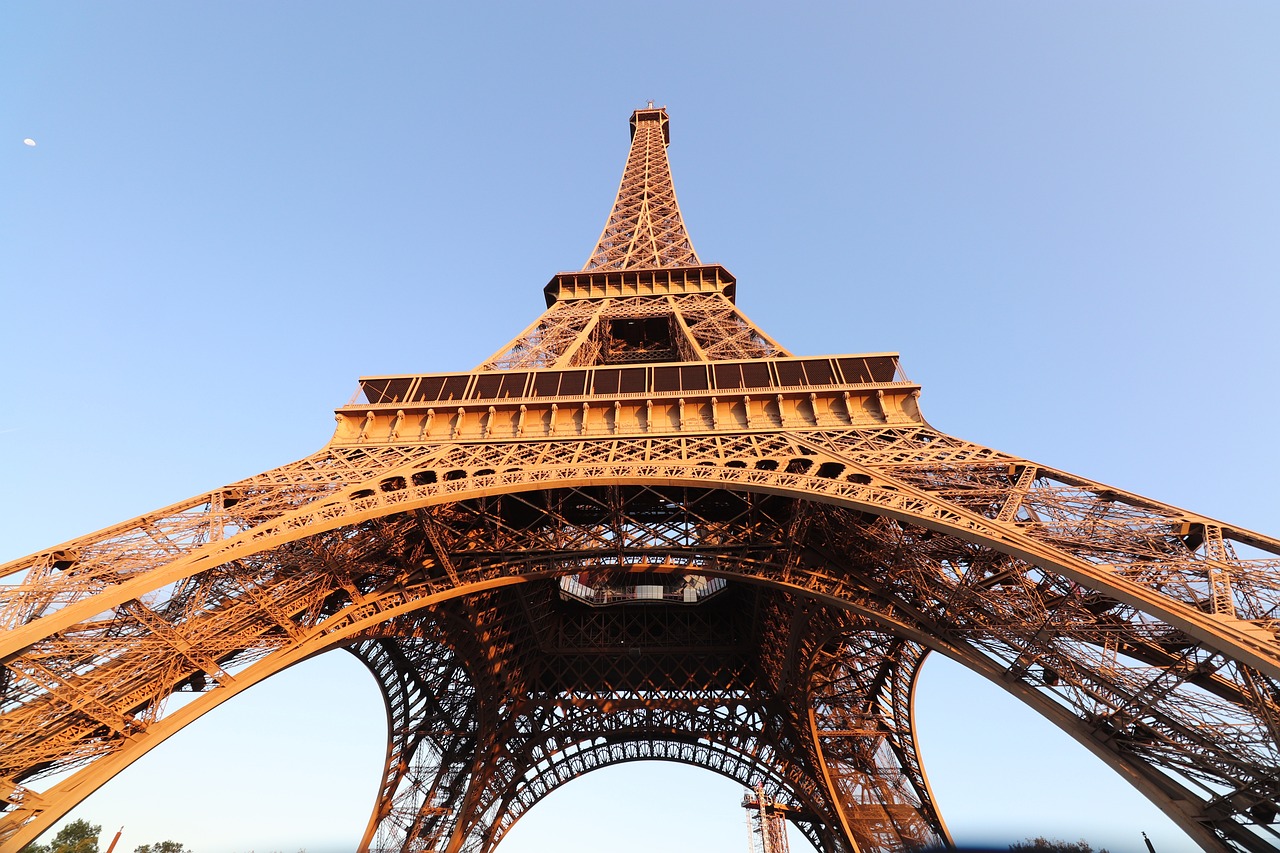

The Eiffel Tower, an emblem of romance and innovation, stands tall in the heart of Paris, captivating millions of visitors each year. While many know it as a symbol of French culture, not everyone is aware of the layered history and intriguing facts that surround this iconic structure. Here, we delve into ten lesser-known aspects of the Eiffel Tower that reveal both its extraordinary engineering and the cultural impact it continues to forge across the globe.
1. A Temporary Structure with a Vision
When Gustave Eiffel unveiled the tower in 1889, it was intended to be a temporary structure, constructed for the 1889 Exposition Universelle (World’s Fair) to celebrate the 100th anniversary of the French Revolution. The initial plan was to dismantle it after 20 years. Its enduring legacy today, however, is a testament to Eiffel’s foresight and the public’s adoration.
2. Technical Marvel of Its Time
At its inception, the Eiffel Tower was the tallest man-made structure in the world, standing at 300 meters (984 feet). The design showcased revolutionary techniques in wrought iron construction, utilizing more than 18,000 individual iron parts and over 2.5 million rivets. It set a precedent for future skyscrapers and complex metal constructions worldwide.
3. A Color Palette of Change
The Eiffel Tower has undergone several color changes since its completion. Originally a reddish-brown, it has been coated with various shades of ochre, yellow, and chestnut brown before settling on its current hue, known as “Eiffel Tower Brown.” This unique color was selected to ensure that the structure harmonized with the Parisian skyline and the surrounding environment.
4. A Beacon of Innovation
In addition to being a tourist attraction, the Eiffel Tower has served practical purposes throughout its history, including as a radio transmission tower. In 1909, Eiffel recognized its potential for long-distance communication, and the tower became a pivotal site for radio broadcasts, showcasing the intersection of architecture and technology.
5. Home to a Secret Apartment
Eiffel constructed a hidden apartment at the top of the tower for himself, complete with a living room, laboratory, and a small balcony. This secret space is a marvel of engineering and serves as a testimony to Eiffel’s personal connection to his creation. Today, the apartment is preserved as a historical exhibit, showcasing the ingenuity of one of France’s most renowned engineers.

6. A Symbol of Resilience
The Eiffel Tower has weathered countless challenges over its lifetime, including significant political upheaval. During World War II, Adolf Hitler ordered the tower closed to the public. However, the French famously cut the lift cables, forcing the Nazi leadership to climb the stairs to the top, a symbolic act of resistance that highlights the Eiffel Tower’s role as a beacon of hope.
7. A Glowing Spectacle
Every evening, the Eiffel Tower transforms into a stunning light display. The tower is adorned with 20,000 light bulbs, which illuminate it for five minutes every hour on the hour after dark. This nightly spectacle has become a beloved tradition for Parisians and tourists alike, symbolizing the enchanting spirit of the city.
8. A Home for Art and Culture
Over the years, the Eiffel Tower has been an inspiring canvas for artists and performers. From theatrical performances to light projections, the tower has hosted various cultural events, showcasing art’s ability to evoke emotions and challenge perceptions. It demonstrates the tower’s status not just as an architectural marvel but also as a cultural landmark.
9. A Sanctuary for Clocks
In addition to its many other functions, the Eiffel Tower includes a remarkable clock mechanism installed in 1900. This clock, which was used to regulate trains in the Paris area, further emphasizes the tower’s commitment to innovation and utility in the modern world.
10. The Power of Symbolism
The Eiffel Tower has transcended its physical presence to become a symbol of love, hope, and human ingenuity. It is not just a tourist attraction but also a representation of the ideas of liberty and artistic expression. The tower has inspired countless works of art, literature, and cinema, reminding us of the profound impact that monumental structures can have on our cultural consciousness.
The Eiffel Tower represents more than just a feat of engineering; it embodies the tenacity of human spirit, creativity, and perseverance. Its history is rich with stories of innovation and resilience, serving as a reminder that even the most extraordinary creations often have humble beginnings. As we stand beneath its grand arches, we are reminded that with vision and determination, we can build dreams that last a lifetime, inspiring generations to come. The Eiffel Tower invites us to appreciate not only its beauty but the deeper stories that shape our world.