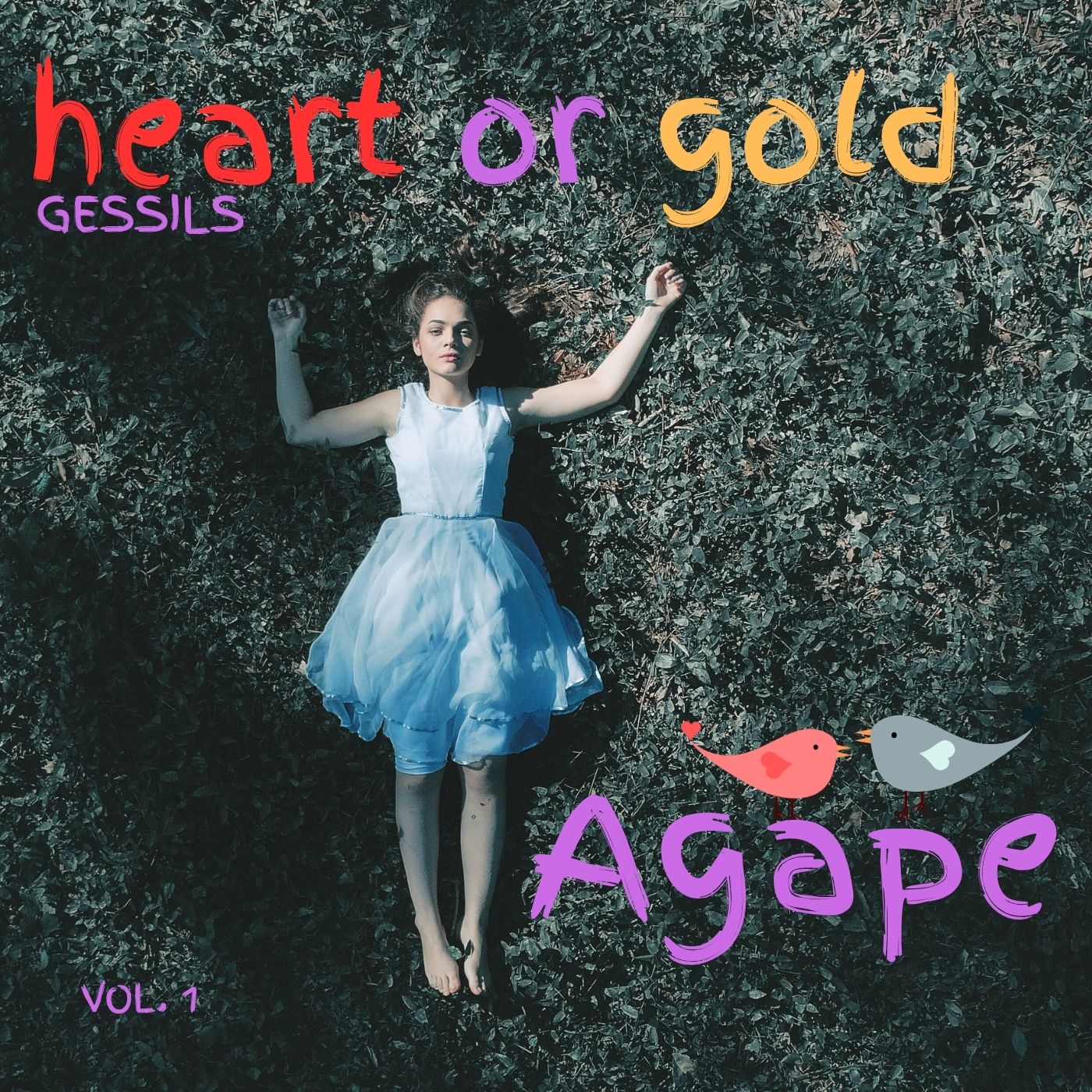

In a world captivated by material wealth and fleeting pleasures, the song “Heart or Gold” by Gessils emerges as a soulful reminder of what truly matters in life. Through its poignant lyrics, the song challenges us to reconsider our priorities and to recognize that genuine happiness and fulfillment cannot be bought with money or possessions.
The opening lines set the stage for this introspection: “In a world that’s spinning fast, / We chase the dreams that never last.” These words acknowledge the whirlwind of modern life, where society often equates success with gold, rings, and material symbols. Yet, amidst this chase, the song asks an essential question — do these superficial treasures bring true joy? The implication is clear: they may glitter, but they lack the depth to satisfy the human soul.
The pre-chorus deepens this reflection by contrasting what is real with what is counterfeit. “We’re caught between what’s real and what’s gold,” it states, emphasizing that love—authentic, selfless, and enduring—is priceless. The lyric “Can you buy a heart that’s true?” confronts the illusion that money can purchase genuine emotion or connection. Instead, it suggests that love is the only currency worth investing in—a theme that resonates universally.
The chorus encapsulates the song’s core message: “Love or money, what’s the prize?” This rhetorical question invites listeners to ponder which pursuit leads to lasting happiness. While money can fill your pockets, it cannot replace the soulful fulfillment that love provides. The lines “One can fill your soul, one can fill your hands” beautifully illustrate this dichotomy, emphasizing that material possessions may satisfy momentarily but fail to nourish the soul.
Verses two continue this exploration by contrasting the transient nature of wealth with the enduring flame of love: “Money’s fleeting, like a passing breeze, / But love’s a fire that never leaves.” Here, Gessils reminds us that love’s warmth and resilience are what truly sustain us through life’s storms. It’s found in shared laughter, tears, and the bonds we forge—elements that enrich our lives far beyond material riches.
The bridge offers a hopeful realization: “Maybe we’ll find, in the end, / It’s not about the wealth or the bend, / But the moments shared, the lives we touch.” This insight underscores that the true value of life lies in experiences, relationships, and kindness—qualities that money cannot buy. It calls us to cherish the intangible treasures that give life meaning.
Ultimately, the song’s message is both inspiring and timeless: Love is the genuine treasure, the “prize that makes us one.” As the outro poignantly states, “Love is the treasure, pure and true,” reminding us that while society often emphasizes wealth, it is love that truly enriches our existence.
In conclusion, “Heart or Gold” serves as a heartfelt anthem urging us to prioritize love over material pursuits. It encourages us to seek meaningful connections, to value the moments that touch our hearts, and to remember that the most priceless possessions are those that cannot be measured in dollars. In the end, love’s enduring nature makes it the greatest reward of all—a treasure that remains with us long after riches fade away.