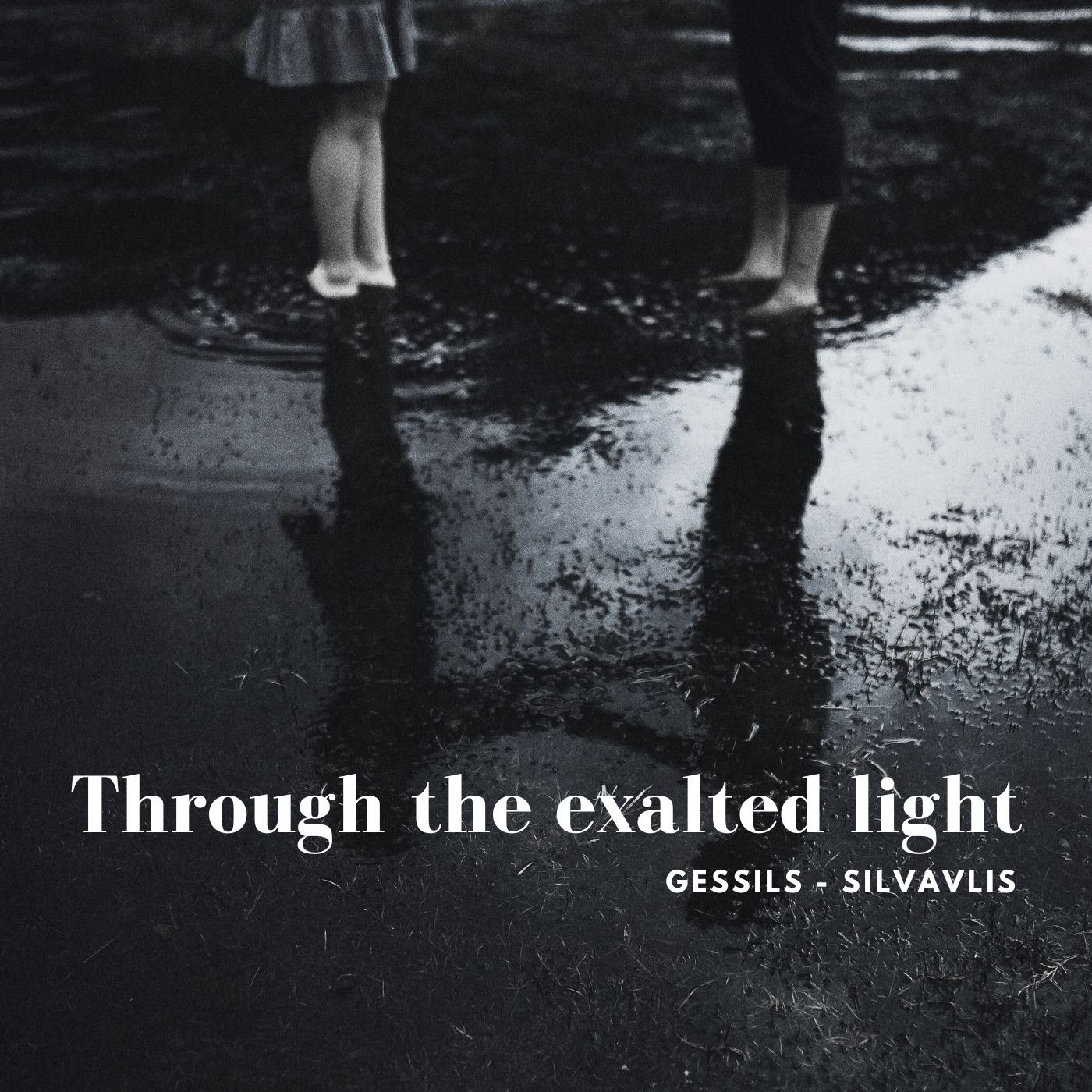


Art has always possessed the remarkable ability to serve as a mirror that reflects the complexities of humanity. Gessil’s new song, “Through the Exalted Light,” exemplifies this power through its poignant lyrics, exploring the duality of our existence in a world increasingly dominated by technology and disconnection. The song poetically navigates the tension between aspiration and despair, urging listeners to confront their own strivings and insecurities as they pave their way through modernity.
The opening lines of the first verse set a striking tone: “We walk on clouds but crave the ground.” This imagery captures the dichotomy of human experience—as we ascend to new heights, fueled by ambition and technological achievements, we remain tethered to a yearning for something more grounding. The notion of being “lost in the static” speaks to our current milieu, where the relentless barrage of information can lead to a sense of being overwhelmed and disoriented. In a world where we are surrounded by towering skyscrapers and innovations that glisten like jewels, Gessil reminds us of the fragility of our human emotions. The lyrics provoke an introspection on what it means to be “lost,” highlighting a common struggle in this age of connectivity and rapid progress.
As the second verse unfolds, the tension between technology and authenticity continues to deepen: “Our hands reach stars yet hearts feel cold.” Here, Gessil poignantly encapsulates the paradox of a digitally-enhanced life. While we may be achieving remarkable heights—scientifically, artistically, and socially—we often sacrifice warmth, emotional connections, and the very essence of what it means to be human. The haunting line, “Dreams in data but we lose the feel,” serves as a powerful metaphor for our modern reality, where virtual interactions often overshadow genuine human experiences. These lines invite listeners to pause and engage with the question of whether our dreams can still hold meaning amidst the cold metal of machines.
The chorus emerges as a profound culmination of these reflections: “Through the exalted light we rise and fall.” The exalted light symbolizes both the brilliance of human ingenuity and the burden of our ambitions. Within this light, we can see our aspirations clearer than ever, yet we also confront the darker shadows of our failures and the toll that progress can take on our souls. The song captures the essence of our technological journey: “Reflections of a world we tried to fix, the future’s a story told in broken bits.” In articulating our attempts to mend the fractures in society, Gessil allows us to recognize the imperfections that constitute our shared story—a narrative filled with both hope and heartbreak.
In the third verse, the imagery of neon hues and “electric breath” serves as a reminder of the world we inhabit—one that is visually stunning yet ultimately hollow. The verse culminates in the powerful claim that “the more we find the more we lose.” Gessil captures the relentless pursuit of knowledge and innovation that often leaves us feeling isolated despite being surrounded by the bright lights of a busy world. This lyric resonates deeply, echoing the fears of contemporary society where meaningful connections can be overshadowed by the allure of technological advancements.
As we reach the bridge, the contemplation deepens: “Will the dawn bring truth or lies?” This question resonates as a clarion call, compelling us to reflect upon our relationship with technology and where it might lead us. Despite the proliferation of machinery in our lives, the song asserts a powerful plea within the electronic hum—a longing for the essence of life that continues to be eclipsed by cold circuits. This whisper evokes nostalgia and serves as a reminder of what we risk losing in our frantic quest forward.
Ultimately, Gessil’s “Through the Exalted Light” captivates not merely through its emotive language and vivid imagery, but by striking at the heart of a shared experience—one that questions the balance between progress and purpose, technology and tenderness. The song encourages us to look within ourselves, to confront the dissonance between our dreams and realities, and to seek connections that transcend the digital facade. In a time when the world feels fragmented, Gessil’s evocative narrative serves as a reminder that amidst the broken bits, there exists the potential for healing, and the dawn may yet bring with it the truth we so desperately seek.