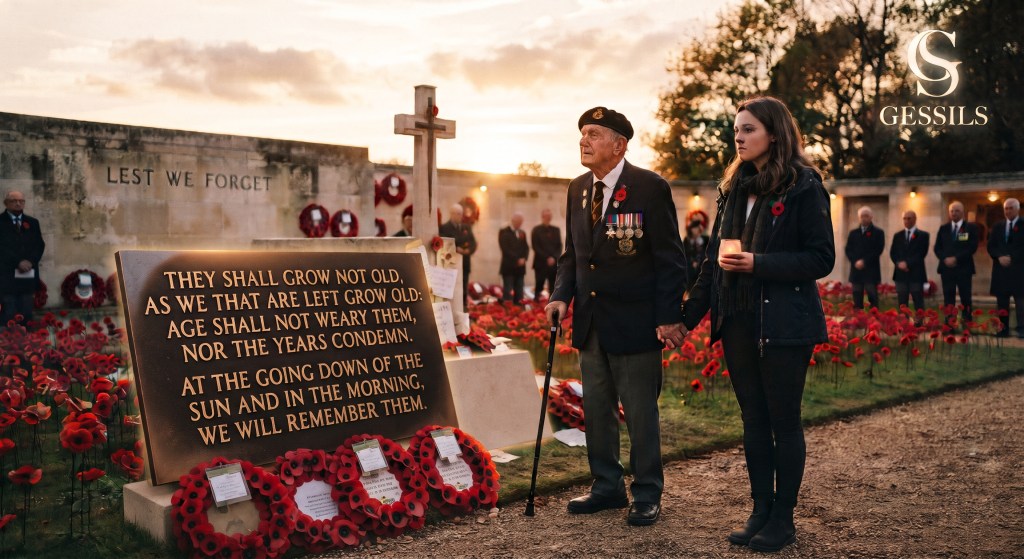

The phrase “Lest We Forget” resonates with a weight that transcends mere words. It’s a solemn invocation, a whispered plea, a resounding call to consciousness that echoes through the hallowed halls of time. It’s more than a memorial inscription; it is a living, breathing imperative, a constant reminder of the sacrifices made, the lessons learned, and the profound responsibility we bear to shape a better future.
To truly understand the power of “Lest We Forget,” we must delve into its historical context. It is born of the brutal realities of war, a testament to the devastating human cost of conflict. It speaks of the soldiers who marched bravely into the unknown, their youthful faces etched with a courage that belied the fear in their hearts. It remembers the nurses who tirelessly tended to the wounded, their compassion a beacon in the darkness of the trenches. It evokes the families left behind, their lives irrevocably altered by loss, forever marked by the absence of loved ones.
But “Lest We Forget” is not solely a lament for the fallen. It is a call to action, a challenge to grapple with the complex tapestry of history and learn from its intricate patterns. It demands that we examine the seeds of conflict: the greed, the prejudice, the ideologies that fuel hatred and division. It urges us to confront the uncomfortable truths about our past, to acknowledge our own complicity, and to actively dismantle the systems that perpetuate injustice.

We must not simply commemorate the victims of war; we must understand the circumstances that led to their sacrifice. We must study the mistakes of the past, the failures of diplomacy, the rise of extremism, and the dangers of unchecked power. We must examine the stories of those who resisted, who spoke out against oppression, who championed peace and understanding. Their courage, their resilience, their unwavering belief in the human spirit offer a vital roadmap for the present.
“Lest We Forget” also calls us to action in the present. It challenges us to be vigilant, to be critical, to be active participants in shaping a world worthy of the sacrifices made. It demands that we foster empathy and compassion, that we break down the barriers of ignorance and prejudice, and that we build bridges of understanding between cultures and communities. It encourages us to champion human rights, to advocate for peace, and to strive for a world where dialogue and diplomacy replace violence and aggression.
The echoes of “Lest We Forget” reverberate not only in national monuments and solemn ceremonies, but also in the everyday choices we make. It is woven into the fabric of our conversations, the values we instill in our children, the policies we support, and the actions we take to make the world a more just and equitable place.
Therefore, let us embrace the profound meaning of “Lest We Forget.” Let us remember the past, learn from it, and strive to create a future where the horrors of war are consigned to the history books, where peace reigns supreme, and where the sacrifices of those who came before us are honored not just in remembrance, but in the very fabric of our lives. Let their sacrifice inspire us to build a world worthy of their courage. Let us, indeed, never forget.