
Nestled in the heart of the Canadian Rockies, Banff National Park stands as a testament to the breathtaking beauty of nature and a haven for outdoor enthusiasts. Established in 1885, it is Canada’s first national park and one of the most iconic natural landscapes in the world. Spanning over 6,641 square kilometers (2,564 square miles) of pristine wilderness, Banff is a UNESCO World Heritage Site and attracts millions of visitors annually, drawn by its stunning mountain vistas, turquoise glacial lakes, diverse wildlife, and a plethora of recreational activities.
Natural Beauty
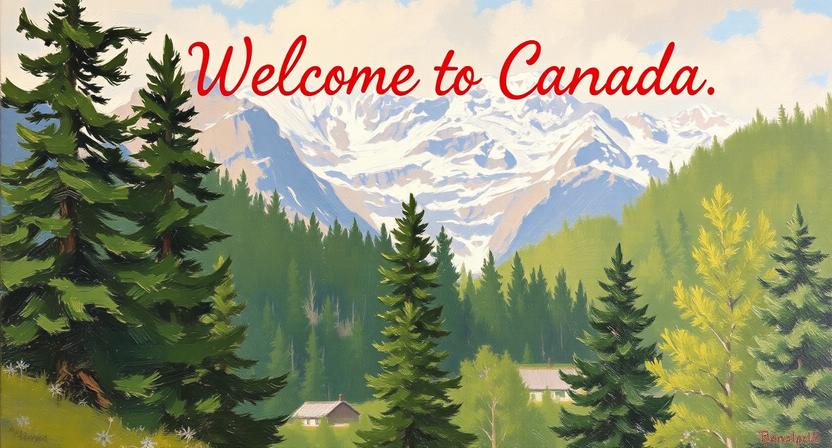
The allure of Banff National Park lies largely in its spectacular landscapes, characterized by towering peaks, deep valleys, and crystal-clear lakes. The park is dotted with landmarks such as Lake Louise and Moraine Lake, both renowned for their striking blue waters, which owe their unique color to glacial rock flour suspended in the water. The surrounding mountains, including iconic summits like Mount Rundle and Mount Cascade, provide a dramatic backdrop that captivates photographers and nature lovers alike.
The diverse ecosystems within the park are equally impressive, ranging from lush forests at lower elevations to alpine tundra at the peaks. This variety supports an array of flora and fauna, making Banff an essential location for conservation efforts. Visitors might encounter wildlife such as elk, bears, and bighorn sheep, all of which play a crucial role in the park’s ecological balance. Efforts to protect these species and their habitats are paramount, and programs have been implemented to educate the public about coexisting with wildlife, particularly in the context of increasing human activity in these natural spaces.
Outdoor Activities
The recreational opportunities in Banff National Park are nothing short of extraordinary. With over 1,600 kilometers (1,000 miles) of hiking trails, visitors can explore the stunning landscapes at their own pace. From leisurely walks along lakeshores to challenging hikes that lead to panoramic viewpoints, there’s something for everyone, regardless of fitness level or experience. In the winter months, the park transforms into a winter wonderland, offering world-class skiing and snowboarding at Banff and Lake Louise Ski Resorts, as well as opportunities for snowshoeing, ice skating, and wildlife viewing.
In addition to traditional outdoor sports, Banff is also a center for more adventurous activities such as rock climbing, mountain biking, and white-water rafting. These adrenaline-pumping experiences allow visitors to immerse themselves in the park’s breathtaking scenery while enjoying the thrill of exploration and discovery.

Cultural Significance
Banff National Park is not only a natural wonder but also a place of rich cultural heritage. The region is home to the Canmore Nordic Centre, which was developed for the 1988 Winter Olympics, and is used as a venue for various sports and events. Additionally, the park has significant Indigenous heritage, with the Stoney Nakoda, Ktunaxa, and Tsuu T’ina Nations having deep historical ties to the land. Today, these communities continue to share their traditional knowledge and cultural practices, providing visitors with a deeper understanding of the area’s history.
The town of Banff, located within the park, offers a charming blend of outdoor adventure and urban amenities. Here, visitors can learn about the park’s history at the Banff Park Museum, enjoy fine dining, shop for local crafts, or relax in the Banff Upper Hot Springs, known for their therapeutic properties.
Conservation and Sustainability
As the popularity of Banff National Park continues to grow, so does the urgency for sustainable tourism practices. The increasing number of visitors brings with it challenges related to environmental degradation and the need for conservation. Park officials and local organizations are actively promoting initiatives aimed at minimizing the impact of tourism. This includes education on Leave No Trace principles, maintaining wildlife corridors, and investing in sustainable infrastructure.
Efforts to balance recreation with preservation are crucial to ensuring that future generations can enjoy the park’s wonders. Programs to monitor wildlife populations, restore damaged habitats, and manage tourist flow are pivotal to protecting this cherished landscape.
summary
Banff National Park is more than just a picturesque destination; it embodies the essence of natural beauty, adventure, and cultural significance. Its incredible landscapes, diverse ecosystems, and rich heritage offer a profound experience that resonates with all who visit. As stewards of this remarkable place, we must advocate for responsible tourism and conservation practices to preserve Banff’s splendor for future generations. Whether hiking along its trails, skiing down its slopes, or simply taking in its breathtaking views, Banff National Park provides an unforgettable connection to nature that enriches the soul.





Leave a Reply