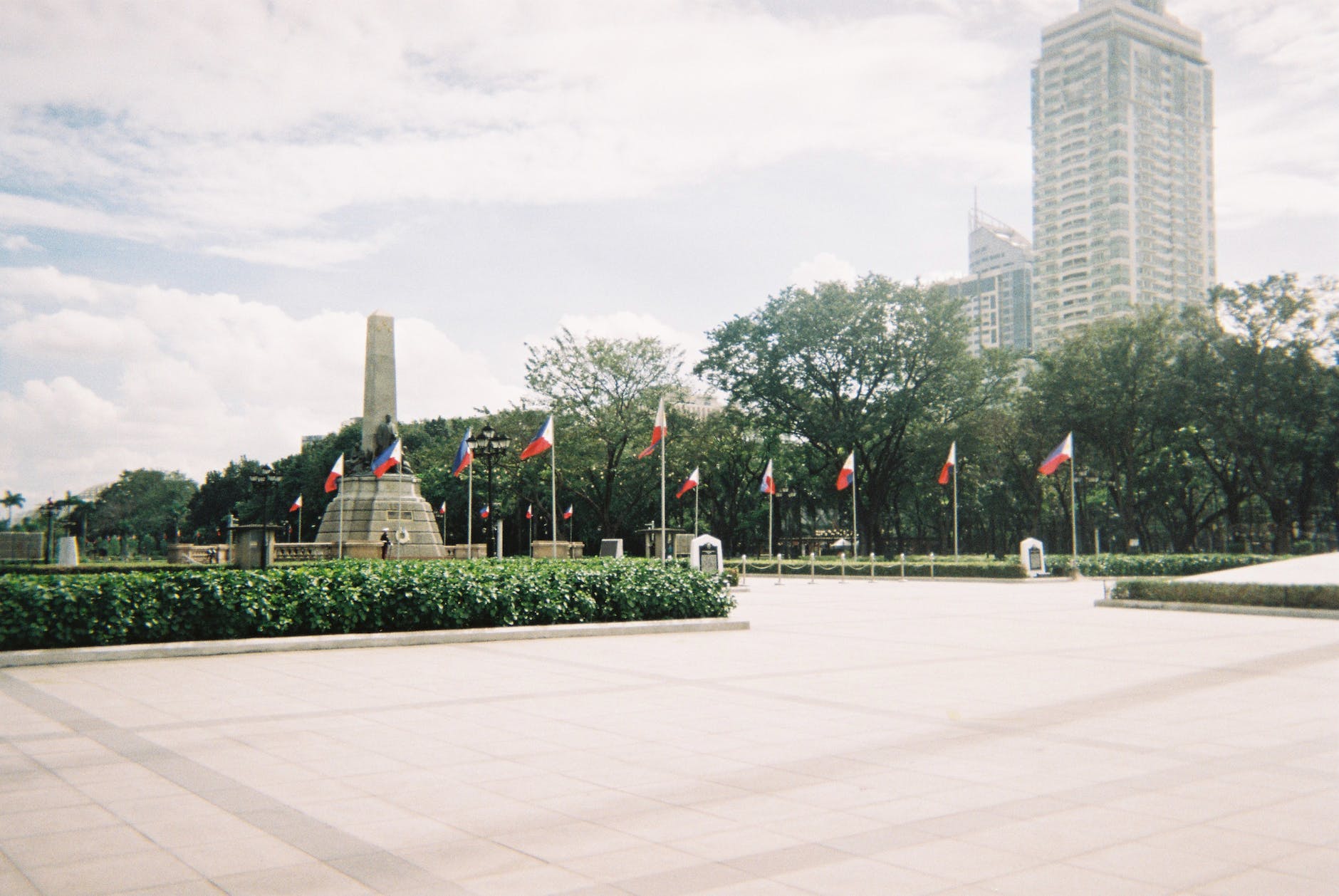
Manila, the capital of the Philippines, is a city that operates as a vibrant tapestry woven from various threads of history, culture, and modernity. Situated on the eastern shore of Manila Bay, it has been a center for trade, politics, and culture for centuries. As one of the oldest cities in the Philippines, Manila offers a unique juxtaposition of its rich colonial past and the rapid urban development characteristic of the 21st century.
Historical Significance
Manila’s history dates back to its establishment as a fortified settlement by the Spanish in 1571. It became the capital of the Spanish East Indies and a vital port in the Manila-Acapulco Galleon Trade, linking Asia and the Americas. The influence of Spanish colonization is still evident today, particularly in the architecture and religious practices that permeate its society. Intramuros, the walled city, is a testament to its colonial past, where structures like San Agustin Church and Fort Santiago reflect centuries of history.
The American occupation in the early 20th century introduced new governance systems, educational reforms, and infrastructure development. However, World War II devastated Manila, leaving much of the city in ruins. The resilience of the Manileños (residents of Manila) became evident as they rebuilt their city, laying the foundation for modern Manila that we recognize today.

Cultural Diversity
One of Manila’s most compelling features is its cultural diversity. With over 7,000 islands in the archipelago, the Philippines is home to various ethnic groups, languages, and traditions. Manila serves as a melting pot, exemplifying the rich tapestry of Filipino identity. The city hosts numerous festivals throughout the year, with the most famous being the Feast of the Black Nazarene, which attracts millions of devotees and tourists alike. Other celebrations such as the Pahiyas Festival showcase the artistry and creativity of Filipinos, highlighting their connection to agriculture and community.
The culinary scene in Manila is equally diverse, with influences from Chinese, American, Spanish, and indigenous cuisines. Local dishes such as adobo, sinigang, and lumpia are staples, while modern dining spots introduce international flavors and innovative gastronomic concepts. Street food thrives throughout the city, with stalls offering a tantalizing array of treats, providing a sensory overload of sights, sounds, and aromas.
Modern Developments and Challenges
As Manila continues to grow as a major economic hub in Southeast Asia, its infrastructure has expanded significantly. Skyscrapers dominate the skyline, alongside bustling shopping malls, corporate offices, and residential buildings. The city has become a center for business process outsourcing (BPO), which contributes significantly to its economy and offers countless job opportunities to its residents.
However, rapid urbanization has also led to challenges. Traffic congestion, pollution, and urban poverty are pressing issues that the city grapples with daily. The disparity between affluent areas and informal settlements is stark, as many people seek opportunities in the city while struggling to attain a decent quality of life. Addressing these challenges requires innovative urban planning and a commitment to sustainable development.
Summary
Manila is a city of contrasts—a place where the past and present converge, and where traditions coexist with modernity. It is a city characterized by resilience and dynamism, reflecting the spirit of its people. Whether it is through its historical landmarks, thriving cultural scene, or the hustle of urban life, Manila embodies the heart of the Philippines. As it faces the challenges of the future, the essence of the city will likely continue to evolve, fostering a unique environment that honors its past while embracing innovation and growth. Thus, Manila remains not just a geographical location, but a vivid expression of Filipino identity, character, and aspiration.




Leave a Reply