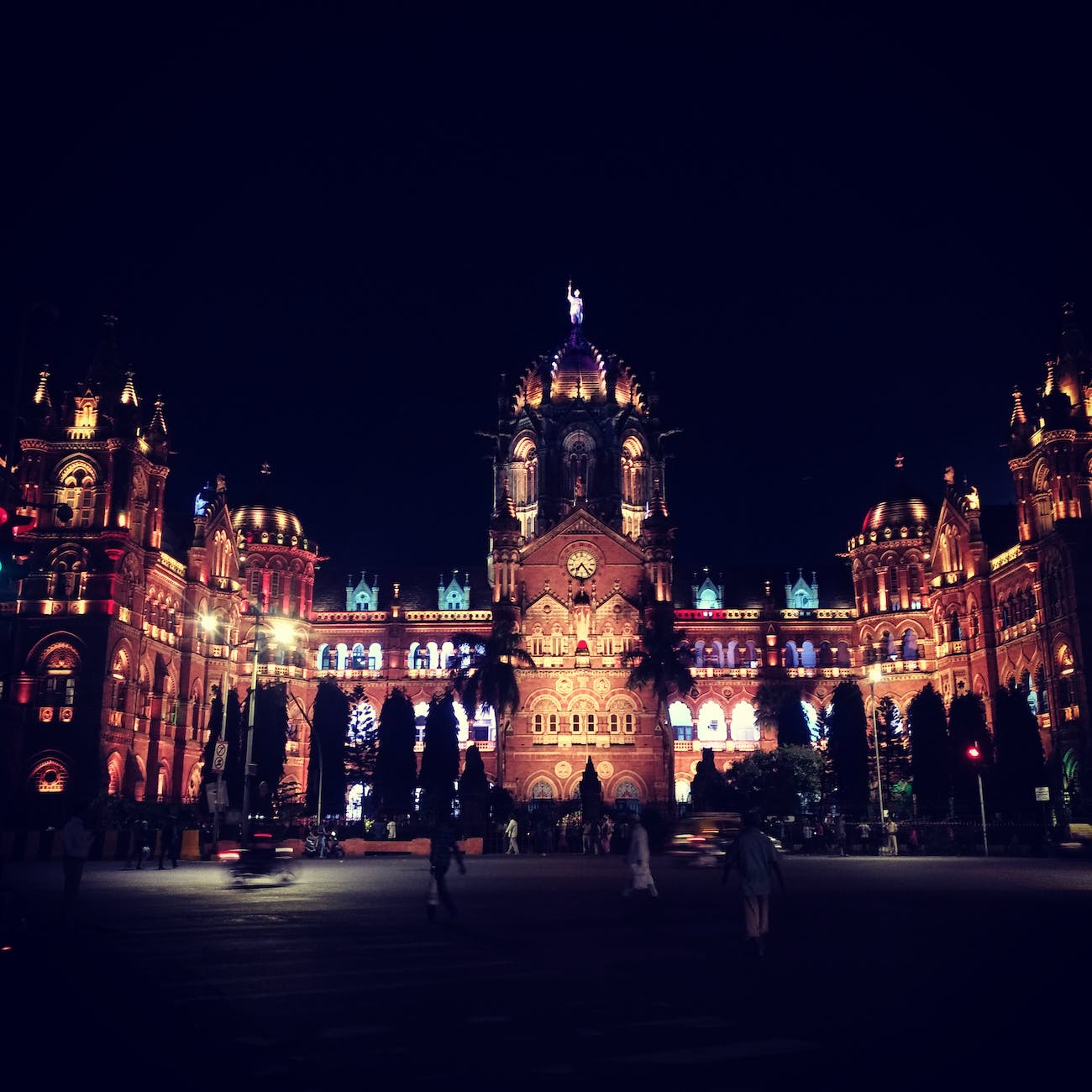

Mumbai, often referred to as the ‘City of Dreams’, is the capital of the Indian state of Maharashtra and the most populous city in India. As one of the world’s largest urban areas, Mumbai is a vibrant tapestry of cultures, traditions, and aspirations. It serves as an economic powerhouse, a cultural melting pot, and a hub for creativity, drawing millions from across the nation and beyond.
Historical Context:
The history of Mumbai dates back to ancient times, with roots in the indigenous fishing communities that settled in the area. The city began to take shape in the 16th century when it came under Portuguese control. However, it was the British who transformed Mumbai into a significant trading post in the 19th century by linking it to the mainland through the construction of the Bombay Marine and the introduction of railways. This era marked the beginning of Mumbai’s rapid urbanization and industrialization, establishing it as a global financial center.
Economic Hub:
Today, Mumbai stands as an economic juggernaut, contributing significantly to India’s GDP. It is home to the Bombay Stock Exchange, the Reserve Bank of India, and numerous multinational corporations. The city’s diverse economy encompasses finance, technology, film, fashion, and manufacturing, attracting both domestic and foreign investment. The bustling markets of Colaba, the luxurious boutiques of Bandra, and the vibrant Food Street of Juhu reflect Mumbai’s dynamic commercial landscape. Moreover, the city hosts the prestigious Bollywood film industry, producing more films than any other city in the world, thereby influencing not just Indian culture, but also diaspora communities globally.
Cultural Diversity:
Mumbai is renowned for its cultural diversity. It is a melting pot of languages, religions, and traditions, reflected in its festivals, cuisine, and daily life. People from various regions of India flock to the city, each bringing their unique customs and lifestyles. The celebration of festivals like Ganesh Chaturthi, Diwali, Eid, and Christmas showcases this rich tapestry. Culinary enthusiasts revel in the wide range of food offerings, from street food like vada pav and pav bhaji to exquisite fine dining options representing various culinary traditions.

Challenges and Resilience:
While Mumbai is often celebrated for its vibrancy and opportunities, it is not without its challenges. The city grapples with issues such as overcrowding, inadequate housing, and infrastructure strains. Slums co-exist with luxury skyscrapers, often highlighting the stark socio-economic disparities that define the city. However, the resilience of its inhabitants is remarkable. Mumbaikars, as the city’s residents are termed, are known for their spirit of optimism and community, often coming together during times of crisis, whether it be in response to natural disasters or socio-political challenges.
The Spirit of the City:
Mumbai’s spirit is encapsulated in its relentless energy and undying hope. It has often been said that in Mumbai, the journey matters more than the destination. The vibrant local trains, often referred to as the lifeline of the city, symbolize this spirit of movement and connection. The famous dabbawalas, who deliver homemade lunches to office workers across the city, further exemplify the unique interdependence that characterizes Mumbai.
Summary:
Mumbai is more than just a city; it is an experience—a journey of aspirations, cultural exchanges, and enduring resilience. It embodies the dreams of millions, offering a unique platform for creativity and ambition. While it faces challenges, the determination of its people continues to shine brightly, cementing Mumbai’s status not just as the economic heart of India, but also as a city that exemplifies the complex beauty of urban life. As Mumbai continues to evolve, it remains a testament to the dreams and tenacity of those who call it home.







Leave a Reply