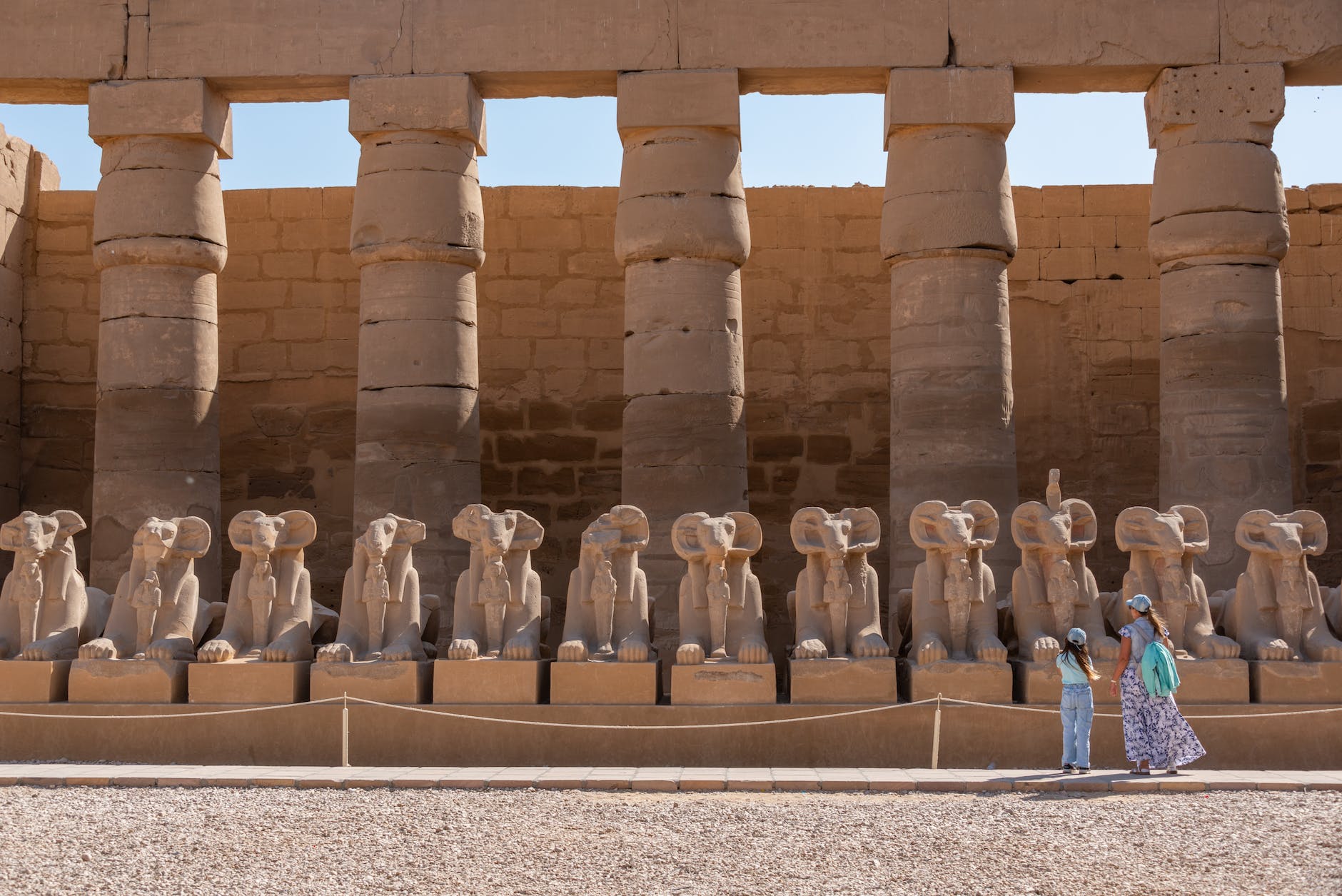
Nestled along the eastern bank of the Nile River in Egypt, Luxor is often referred to as the “world’s greatest open-air museum.” This city, which was once the ancient city of Thebes, is a testament to the grandeur and sophistication of ancient Egyptian civilization. With its stunning monuments, rich history, and cultural significance, Luxor attracts millions of visitors each year, beckoning them to explore the remnants of a bygone era.
Historical Significance
Luxor’s history spans thousands of years, flourishing primarily during the New Kingdom period of ancient Egypt (circa 1550–1070 BCE) when it served as the capital. It was a time marked by monumental achievements in art, architecture, and trade. As the center of worship for the god Amun, Luxor became a religious hub with magnificent temples and intricate rituals. The well-preserved ruins reflect the city’s religious and political importance, with the Temple of Karnak and the Luxor Temple standing out as monumental testaments to its grandeur.
Architectural Marvels
One cannot discuss Luxor without mentioning its architectural wonders. The Temple of Karnak is the most significant religious structure in Egypt and a sprawling complex covering over 200 acres. The Great Hypostyle Hall, adorned with 134 massive columns, is a marvel of engineering and artistry, adorned with intricate hieroglyphics that narrate the religious beliefs and historical accounts of ancient Egyptians. Adjacent to Karnak lies the serene Luxor Temple, which was constructed during the reign of Amenhotep III and later expanded by Ramses II. This temple was integral to the Opet Festival, a significant religious event celebrating the god Amun and ensuring the fertility of the land.
The West Bank of Luxor is equally striking, home to the Valley of the Kings, where pharaohs were buried in elaborate tombs filled with treasures meant to accompany them in the afterlife. Icons like Tutankhamun and Ramses the Great were laid to rest here, surrounded by stunning art that offers insight into ancient beliefs and practices. The nearby Temple of Hatshepsut, dedicated to one of Egypt’s few female pharaohs, is a marvel of design, seamlessly integrated into the cliffs of Deir el-Bahari. Its terraced structure and colonnades reflect the ingenuity and elegance of ancient architecture.

Modern-Day Luxor
Today, Luxor is a bustling city that balances the reverence for its ancient past with modern life. The vibrant markets, local cafes, and contemporary developments coexist with the remnants of ancient civilization. The city thrives on tourism, drawing visitors from around the globe eager to witness its storied history. Despite the challenges faced by the global economy and the impact of geopolitical events, Luxor remains a key player in Egypt’s tourism industry, offering a unique glimpse into a civilization that has captivated human imagination for millennia.
Cultural Significance
Beyond its impressive structures, Luxor serves as a cultural touchstone for understanding ancient Egyptian life. The art found within the temples and tombs—rich in symbolism—illuminates beliefs surrounding death, the afterlife, and the pantheon of gods and goddesses worshiped by the ancients. Through the lens of Luxor, one can explore the profound connection that the Egyptians had with the divine and the ways in which they sought to immortalize their existence.
summary
Luxor stands as a bridge between the past and the present, a city where the sands of time have preserved some of humanity’s greatest achievements. Its monuments not only showcase the artistic and architectural capabilities of the ancient Egyptians but also serve as reminders of the civilization’s complexities—its triumphs, its philosophies, and its legacy. As both a historical site and a modern city, Luxor continues to inspire awe and wonder, making it an essential destination for anyone looking to connect with the deep-rooted history of humanity.





Leave a Reply