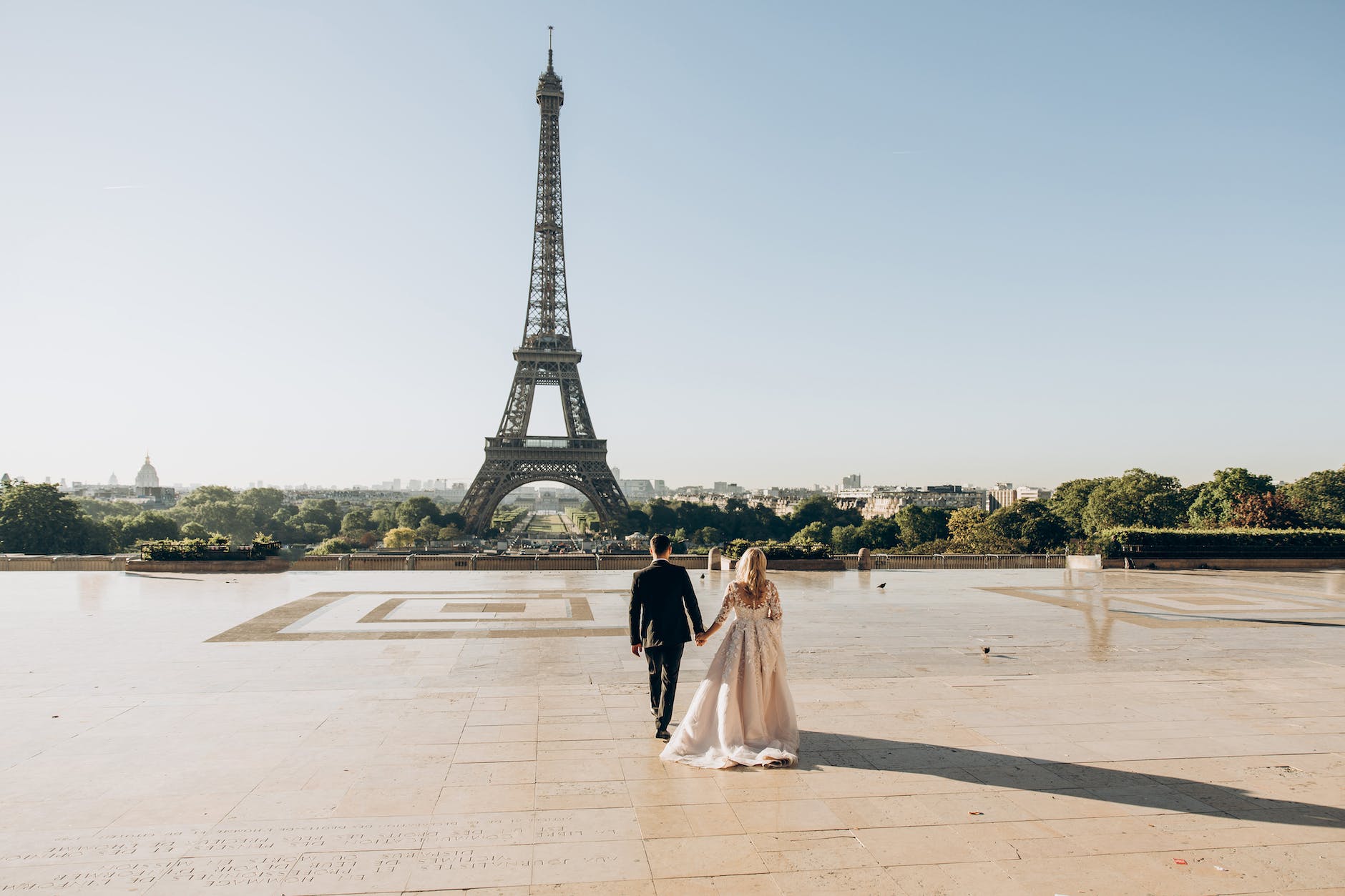
At the heart of Paris
The Eiffel Tower, an iconic symbol of Paris and a marvel of engineering, stands as a testament to the ingenuity and creativity of the late 19th century. Towering at approximately 300 meters (1,083 feet), it was constructed as the entrance arch for the 1889 Exposition Universelle (World’s Fair), organized to celebrate the 100th anniversary of the French Revolution. Designed by the French engineer Gustave Eiffel and his company, the tower was initially met with skepticism from the public and critics alike. However, over time, it has become one of the most recognizable structures in the world, attracting millions of visitors each year and serving as a cultural emblem of France.
Design and Engineering
The design of the Eiffel Tower is notable for both its aesthetic appeal and its engineering prowess. Constructed from wrought iron, the tower’s lattice-like structure exemplifies the use of modern materials and techniques in construction. Gustave Eiffel and his engineers, Maurice Koechlin and Émile Nouguier, took inspiration from the principles of physics to optimize the design for stability and aerodynamics. The tower’s tapered shape reduces wind resistance, allowing it to withstand strong gusts without sacrificing structural integrity. This innovative approach not only made the Eiffel Tower a safe and durable construction but also set a precedent for future skyscrapers and large structures.
The construction process was a remarkable achievement in itself. It took just over two years to complete, involving around 300 workers and 18,038 individual iron parts. The assembly of the tower relied on more than 2.5 million rivets—an impressive feat reflecting the era’s industrial capabilities. At its completion, the Eiffel Tower was the tallest man-made structure in the world, a title it held until the completion of the Chrysler Building in New York City in 1930.

Cultural Significance
Beyond its architectural and engineering significance, the Eiffel Tower is a profound cultural symbol. Originally intended as a temporary exhibit, it was almost dismantled after the World’s Fair. However, it was saved due to its usefulness as a radio transmission tower. Over the years, it has become synonymous with Parisian romance, beauty, and art. Countless artists, writers, and filmmakers have drawn inspiration from its silhouette, embedding it into the cultural fabric of not only France but of global pop culture.
Moreover, the Eiffel Tower represents a blend of history and modernism. It stands at the heart of Paris, a city steeped in history, yet it embodies the advancements of the Industrial Age. This juxtaposition of old and new makes the tower a focal point for tourists, who come to marvel at its design while immersed in the rich history of their surroundings.
Tourism and Economic Impact
Today, the Eiffel Tower is one of the most visited monuments in the world, drawing nearly seven million visitors annually. This influx of tourists has a significant economic impact on the local and national economy, contributing to the hospitality, retail, and transportation sectors. The tower’s popularity has led to the development of various businesses, including shops, restaurants, and guided tours, creating jobs and fostering a thriving tourism industry in Paris.
Moreover, the Eiffel Tower serves as a venue for various events and celebrations. From New Year’s Eve fireworks to special light shows commemorating significant occasions, the tower engages both locals and visitors, continuing its role as a lively centerpiece in the heart of the city.
summary
In summary, the Eiffel Tower is more than just a remarkable feat of engineering; it is a cultural icon that encapsulates the spirit of innovation, art, and history. Its design, construction, and continued significance in the modern world illustrate how a single structure can transcend its physical form to influence and inspire generations. As we admire its grandeur, we are reminded of what it represents—a symbol of human creativity, resilience, and the enduring beauty of Paris. The Eiffel Tower will undoubtedly continue to stand as a beacon of inspiration and a cherished landmark for years to come.




Leave a Reply