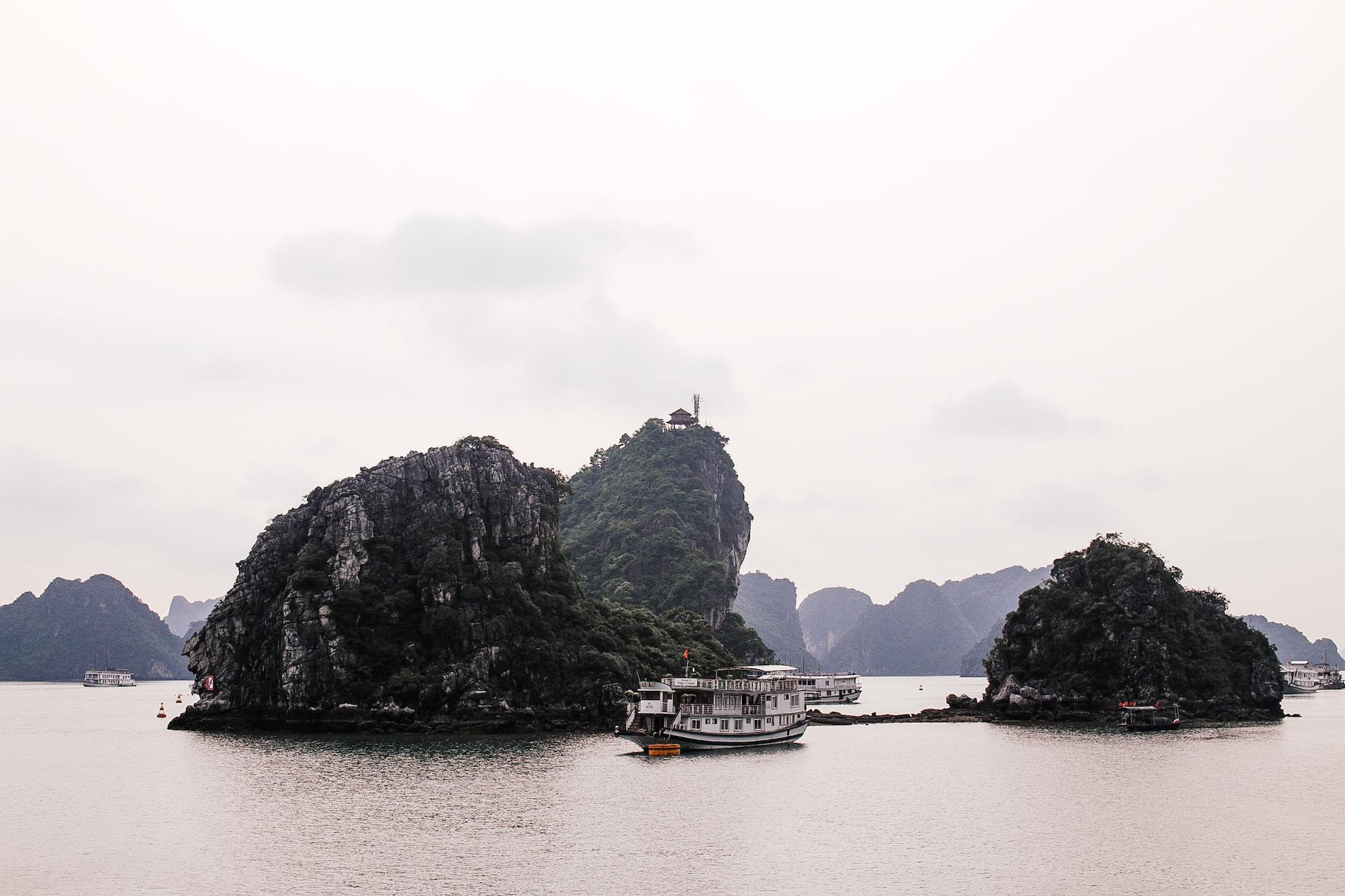
Nestled in the northern region of Vietnam, Ha Long Bay is a breathtaking natural wonder characterized by its emerald waters and thousands of limestone islands and islets topped with thick jungles. Renowned for its stunning geological formations and rich biodiversity, Ha Long Bay has become one of the most celebrated tourist destinations in Vietnam and a UNESCO World Heritage Site since 1994. This essay explores the beauty, geological significance, cultural heritage, and ecological importance of Ha Long Bay, highlighting its status as a masterpiece of nature.
Geological Significance
Ha Long Bay covers an area of approximately 1,553 square kilometers and boasts over 1,600 islands and islets, most of which are uninhabited. The bay’s unique karst landscape has been shaped over millions of years by geological processes, including erosion, which have carved the limestone into stunning formations. The karst topography of Ha Long Bay is one of the most extensive and well-preserved examples in the world. The towering limestone pillars rise majestically from the water, creating breathtaking vistas that have captivated visitors for generations.
The geological processes that formed Ha Long Bay also have significant implications for the ecology of the region. The various islands and islets provide diverse habitats for flora and fauna, making it a hotspot for biodiversity. The unique geological conditions, paired with the tropical climate, have contributed to the development of rich ecosystems, both marine and terrestrial.
Cultural Heritage
Ha Long Bay is not only a site of natural beauty but also rich in cultural heritage. The area is home to several human settlements, including the floating fishing villages where fisherman and their families have lived for generations. These communities exemplify a way of life intimately connected with the sea, relying on fishing and aquaculture for sustenance. The cultural practices, traditional crafts, and unique architecture of these floating villages offer visitors a glimpse into the local way of life and the deep-rooted relationship between the inhabitants and their natural surroundings.

Additionally, Ha Long Bay is steeped in legends and folklore, with stories that have been passed down through generations. These tales often speak of mythical creatures and folklore that reflect the cultural identity of the Vietnamese people. The most famous legend tells the tale of the Jade Emperor, who sent a dragon to protect the people from invaders. As the dragon descended, it carved out the valleys and islands of Ha Long Bay, creating the breathtaking landscape we see today.
Ecological Importance
Ha Long Bay is classified as a marine protected area, encompassing diverse ecosystems that are crucial for maintaining biodiversity. The bay is home to various species of fish, crustaceans, and mollusks, in addition to important marine mammals such as dolphin species and the endangered dugong. The lush islands also serve as habitats for a variety of bird species, including migratory birds, which find refuge in the ecological niches created by the bay’s unique landscape.
However, the ecological integrity of Ha Long Bay is under pressure from tourism, industrial activities, and environmental degradation. Increased boat traffic, waste disposal, and fishing practices threaten the delicate ecosystems that thrive in the area. To mitigate these impacts, the Vietnamese government has implemented measures to promote sustainable tourism and conservation efforts, ensuring that this natural treasure is preserved for future generations.
Summary
Ha Long Bay stands as a testament to the beauty and power of nature, showcasing unique geological formations, a vibrant cultural tapestry, and a wealth of biodiversity. This UNESCO World Heritage Site not only attracts millions of visitors each year but also serves as a reminder of the importance of environmental conservation. As we marvel at the stunning landscapes and explore the rich cultural heritage of Ha Long Bay, we must also commit to protecting this natural wonder, ensuring that it continues to inspire wonder and appreciation for generations to come. The preservation of Ha Long Bay is not just an obligation but a shared responsibility to safeguard the legacy of one of Earth’s most magnificent natural masterpieces.





Leave a Reply