

The first commercial flight marks a pivotal moment in the history of transportation, revolutionizing the way people connect across distances and paving the way for the modern aviation industry. This historic event took place on January 1, 1914, when the St. Petersburg–Tampa Airboat Line operated the world’s first scheduled airline service in the United States.
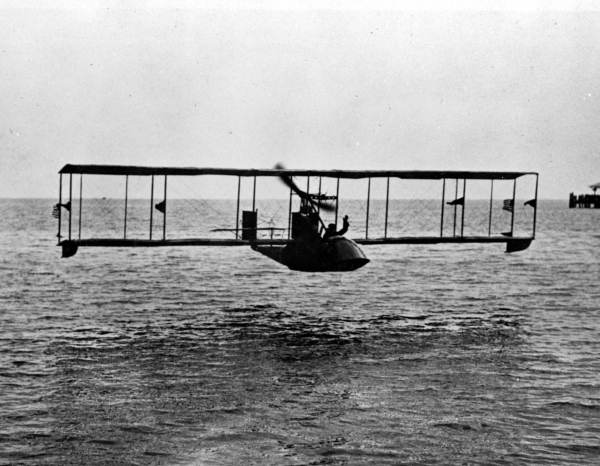
The pioneering flight was initiated by aviator Tony Jannus, who piloted a Benoist XIV biplane aircraft. The flight connected St. Petersburg and Tampa in Florida, covering approximately 23 miles across Tampa Bay. The airline was established by businessman Percival Fansler, who envisioned using aircraft as a means of rapid, reliable transportation. The inaugural flight carried only one passenger, Abram C. Pheil, a former mayor of St. Petersburg, who paid a ticket price of $400—equivalent to about $10,000 today—highlighting the novelty and exclusivity of air travel at the time.
This first commercial flight was significant not only because it demonstrated the feasibility of scheduled airline services but also because it showcased the potential of aviation to transform commerce, travel, and communication. Despite the limited scope and technological constraints of early aircraft, the success of the St. Petersburg–Tampa route inspired subsequent developments in airline operations worldwide. It laid the groundwork for the expansion of commercial aviation, leading to the rapid growth of airlines in the following decades, improved aircraft technology, and the eventual democratization of air travel.
In conclusion, the first commercial flight was a groundbreaking achievement that marked the beginning of a new era in transportation. It symbolized human ingenuity and the relentless pursuit of innovation, setting the stage for the dynamic and interconnected global aviation industry we know today.




Leave a Reply