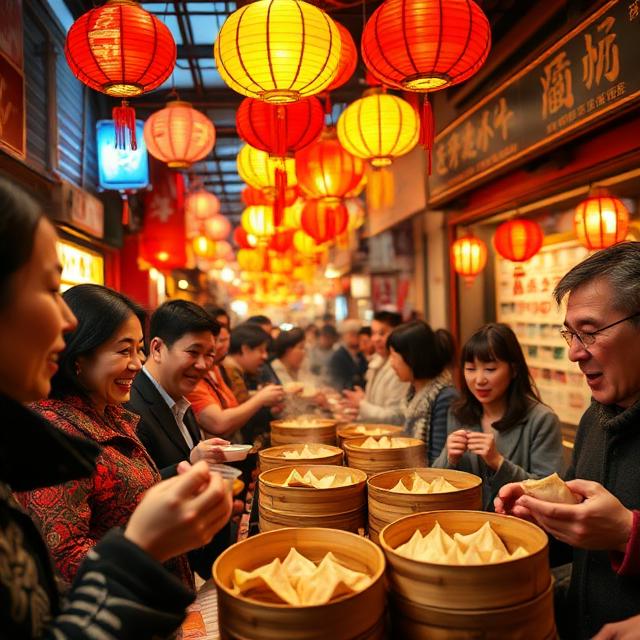

Siu Mai, also known as shumai, is a beloved traditional Chinese dumpling that has become an essential part of dim sum cuisine. Its origins are shrouded in history and tradition, and over centuries, it has evolved into a symbol of Chinese culinary artistry. Beyond its common recipes, there are spicy tales and lesser-known variations that add depth and intrigue to its story.
The precise moment when siu mai was first discovered remains uncertain. Most culinary historians trace its roots back to the Ming Dynasty (1368–1644), a period marked by the flourishing of Chinese food culture. Some believe that siu mai originated in northern China, where dumplings have been a culinary staple for centuries. However, it was in southern China, particularly in Guangdong Province, that siu mai truly blossomed as part of the dim sum tradition.
During the Qing Dynasty (1644–1912), siu mai gained immense popularity among merchants, traders, and the working class. Its portability and delicious flavor made it a favorite in bustling markets and teahouses. Over time, chefs began experimenting with different fillings, creating the modern versions we recognize today—often a blend of pork and shrimp, wrapped in thin wheat wrappers.
One spicy tale from the Guangdong region tells of a legendary chef who, during a hot summer, accidentally dropped a handful of dried chili peppers into his dumpling filling. Instead of ruining the dish, the fiery addition turned out to be a hit among patrons craving a spicy kick. The chef named the fiery variation “Fire-Shu Mai,” which became famous for its bold flavor and heat. This story, though more legend than fact, highlights the Chinese culinary creativity and the love for spice that varies across regions.

While the classic siu mai is usually filled with pork, shrimp, or a combination, there are lesser-known recipes that add unique flavors:
-Spicy Siu Mai: Incorporating chopped chili peppers, Sichuan peppercorns, or chili oil into the filling for those who love heat.
-Vegetarian Siu Mai: Using mushrooms, bamboo shoots, and tofu as fillings, seasoned with spicy bean pastes or chili sauces.
-Curry Siu Mai: Infusing the filling with curry powder or turmeric to give it a rich, aromatic flavor.
-Seafood Variations: Using fish or scallops along with a spicy seafood sauce for an oceanic twist.
Today, siu mai is enjoyed worldwide, especially in places like Hong Kong, Taiwan, and North America, where Chinese communities have adapted recipes to local tastes. The spicy tales and creative variations exemplify the dynamic nature of Chinese cuisine—rooted in tradition but open to innovation.
Although the exact discovery date of siu mai remains elusive, its evolution from humble beginnings to a global delicacy reflects centuries of culinary ingenuity. The spicy tales and lesser-known recipes add flavor and mystery to its history, making siu mai not just a dumpling but a symbol of Chinese culture’s rich and fiery spirit.





Leave a Reply