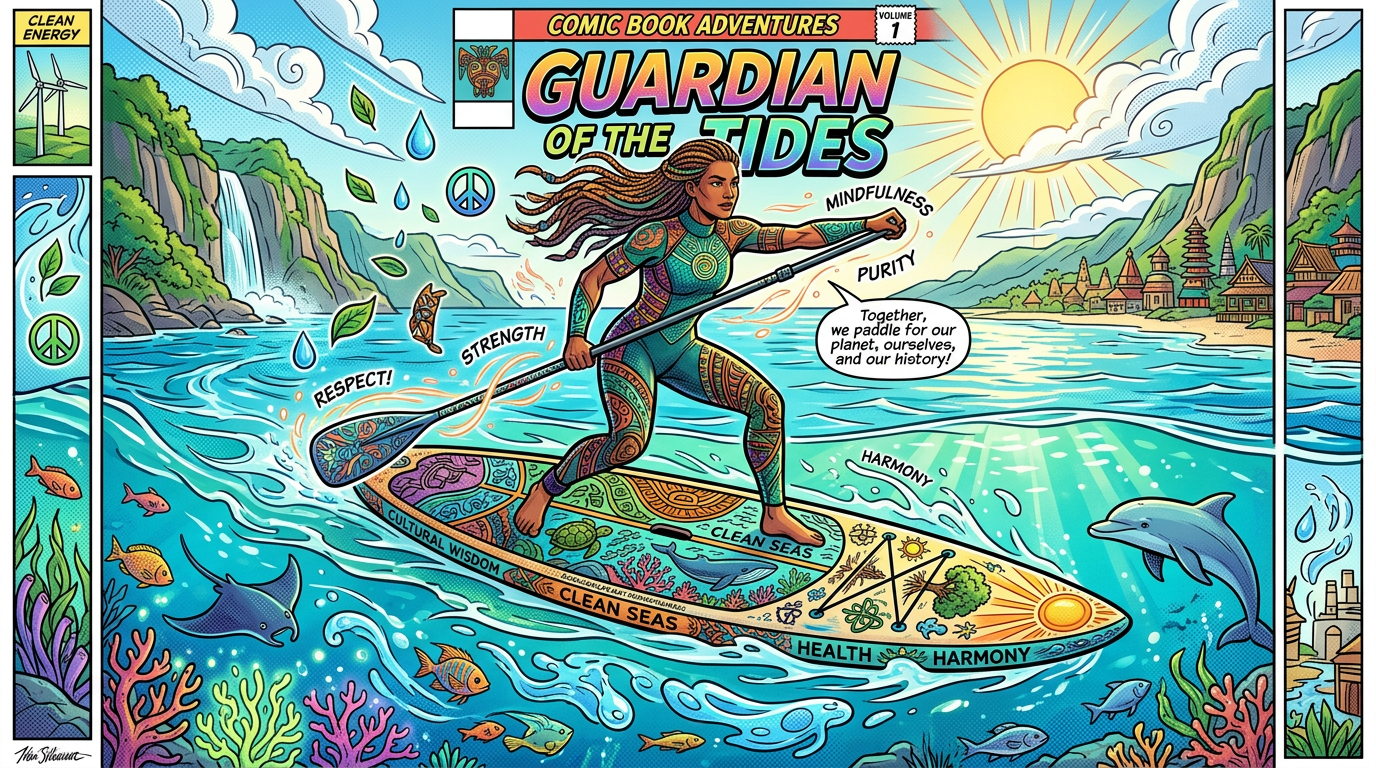
Paddleboarding, also known as stand-up paddleboarding (SUP), has surged in popularity over the past two decades, transforming from an ancient Hawaiian activity into a global recreational phenomenon. It involves standing on a large, buoyant board and using a long paddle to propel oneself across the water’s surface. This sport offers a unique blend of physical challenge, tranquility, and connection with nature, making it appealing to a diverse range of enthusiasts.

The roots of paddleboarding trace back over 3,000 years to ancient Hawaii, where native Hawaiians used similar boards for transportation, fishing, and ceremonial purposes. These early boards were crafted from wood and were integral to daily life, serving as a vital tool for survival and cultural expression. In the 20th century, surf instructors in Hawaii and California adopted stand-up paddling as a way to better observe students and surf conditions from a higher vantage point.
The modern sport of SUP, however, began to take shape in the early 2000s, fueled by innovations in board design and the growing popularity of paddle sports. Today, technological advancements have led to lightweight, durable materials that make paddleboarding accessible and enjoyable for all skill levels.
Paddleboarding is a comprehensive workout that engages multiple muscle groups, including the core, arms, legs, and back. Balancing on the board requires stability and coordination, which helps improve proprioception and muscular endurance. Paddling also provides cardiovascular benefits, boosting heart health and stamina.

Beyond physical health, paddleboarding offers significant mental health benefits. The calming effect of being on water, combined with rhythmic paddling, promotes mindfulness and stress relief. Many paddlers describe the activity as meditative, helping to reduce anxiety and foster emotional well-being. Furthermore, being immersed in natural environments enhances feelings of tranquility and connection to nature. While many people recognize paddleboarding as a recreational activity, several intriguing facts remain lesser-known:
Ancient Cultural Significance: In Hawaiian culture, paddleboarding was not merely a pastime but also a spiritual activity. Chiefs and spiritual leaders often used paddleboards for ceremonies and rituals, emphasizing its cultural importance beyond recreation.
Evolution of Board Design: The modern SUP board design is heavily influenced by surfboards, but early versions were often much narrower and less stable. Innovations such as wider decks, thicker hulls, and lightweight materials have made the sport more accessible and safer.
Competitive Recognition: Paddleboarding has gained official recognition as a competitive sport by organizations like the International Surfing Association (ISA). It features disciplines such as racing, slalom, endurance challenges, and even SUP surfing competitions, attracting athletes worldwide.
Environmental Stewardship: Paddleboarding is often regarded as an eco-friendly activity because it relies solely on human power. Many paddlers participate in environmental initiatives, such as ocean cleanups, to protect marine ecosystems and promote conservation efforts.
Therapeutic Uses: Paddleboarding is increasingly used in therapeutic settings to aid in rehabilitation and improve balance, coordination, and mental health. Adapted SUP programs are helping people with disabilities and those recovering from injuries regain strength and confidence.
Innovative Variations: Beyond traditional paddling, enthusiasts have developed variations such as SUP yoga, SUP fishing, and even paddleboard racing with multiple paddlers. These adaptations enhance the sport’s versatility and appeal.
Climate Change Impact: Rising sea levels and changing weather patterns impact paddleboarding locations and conditions. Enthusiasts and environmentalists are increasingly advocating for sustainable practices to ensure the sport’s future amid climate challenges.

As awareness of environmental issues and outdoor recreation grows, paddleboarding is poised to expand further. Innovations in eco-friendly materials, safety equipment, and digital technology—such as GPS tracking and waterproof cameras—are enhancing the experience. Additionally, the sport’s community-driven ethos fosters a culture of conservation and shared adventure.
Paddleboarding is more than just a water sport; it is a rich cultural tradition, a health-enhancing activity, and an environmental ambassador. Its deep historical roots and modern innovations demonstrate its enduring appeal and versatility. Whether for leisure, competition, or ecological activism, paddleboarding continues to inspire individuals worldwide to explore, connect, and protect our planet’s waters.





Leave a Reply