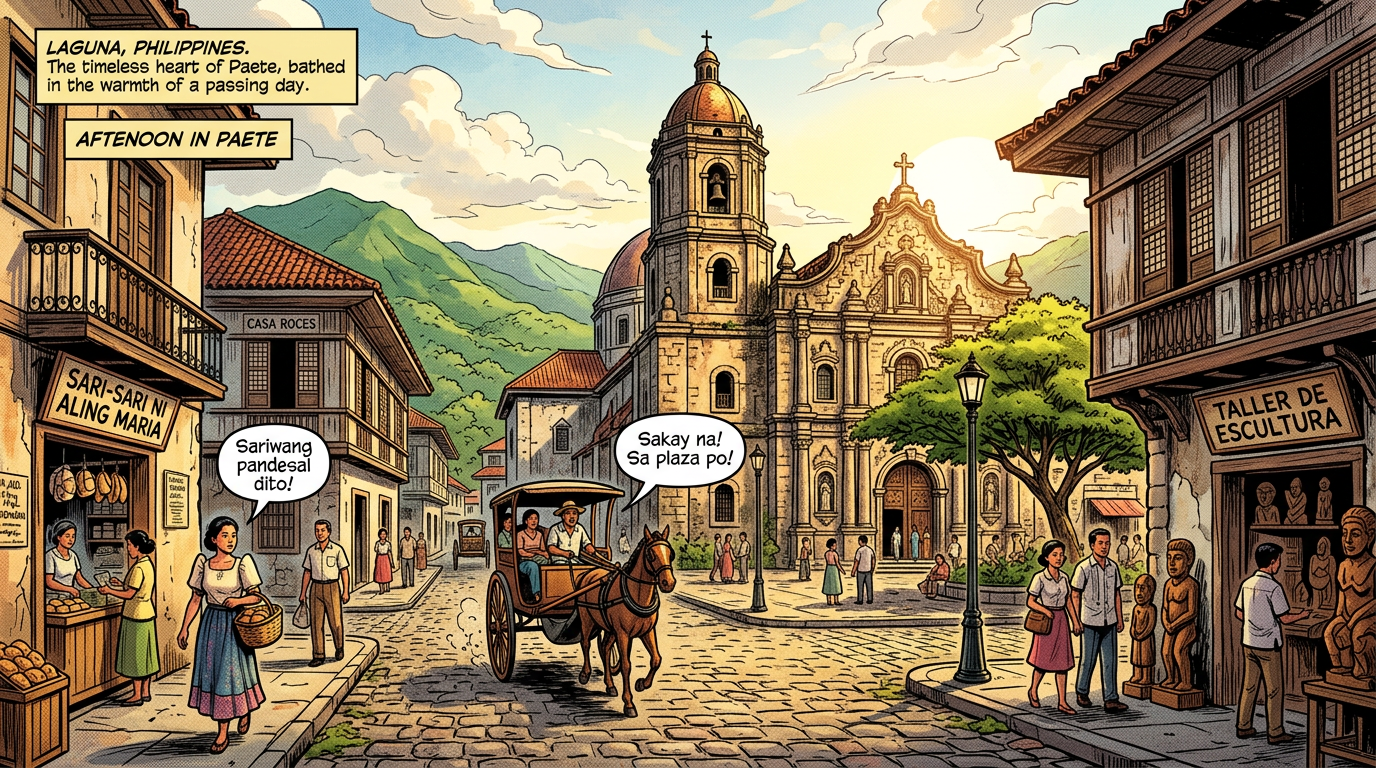

Laguna, a province nestled in the heart of the Philippines, holds a special place in my youth. It is a land rich in history, natural beauty, and warm-hearted people. Growing up in Laguna, I was fortunate to experience the simple joys of life amidst scenic landscapes and vibrant culture. However, as I reflect on the changes over the years, I also recognize the challenges that come with growth and increasing population.
One of the most memorable aspects of Laguna was its breathtaking nature. I vividly remember exploring the lush forests and swimming in the cool, clear waters of its many lakes and waterfalls. The serene Laguna de Bay, the largest lake in the country, was a favorite spot where I enjoyed boat rides and fishing with my family. The enchanting waterfalls of Pagsanjan and the hot springs of Los Baños provided both relaxation and adventure, making my childhood days filled with excitement and wonder.
Laguna is also known for its rich history and cultural heritage. As a young person, I learned about its significance during the Philippine revolution and its contributions to the country’s independence. Visiting historic sites like the Rizal Shrine in Calamba, where Dr. Jose Rizal was born, made me proud of my roots and inspired me to value education and patriotism.

However, as I grew older, I noticed that Laguna was changing rapidly. The population was increasing due to urbanization and people moving from the province in search of better opportunities. While this growth brought economic development, it also resulted in crowded communities, traffic congestion, and the strain on natural resources. The once peaceful and pristine environment was gradually affected by construction, deforestation, and pollution.
The concerns brought about by this growth are significant. The increasing demand for land has led to the loss of forests and agricultural areas, which are vital for maintaining ecological balance. Water pollution has become a problem in Laguna de Bay and other water sources, affecting both residents and wildlife. Moreover, the rising number of vehicles has worsened air quality and contributed to traffic problems, making daily commutes stressful.
Despite these challenges, the people of Laguna remain resilient and hopeful. Many are working to preserve the environment through community initiatives and sustainable practices. Education and awareness are also being promoted to ensure that development does not come at the expense of nature and tradition.
In my youth, Laguna was more than just a place; it was a treasure trove of experiences and lessons. It taught me to appreciate nature, value my history, and cherish the bonds of family and community. As I look back, I realize that while growth and change are inevitable, it is essential to address the concerns they bring and work together to protect Laguna’s beauty and heritage for future generations.






Leave a Reply