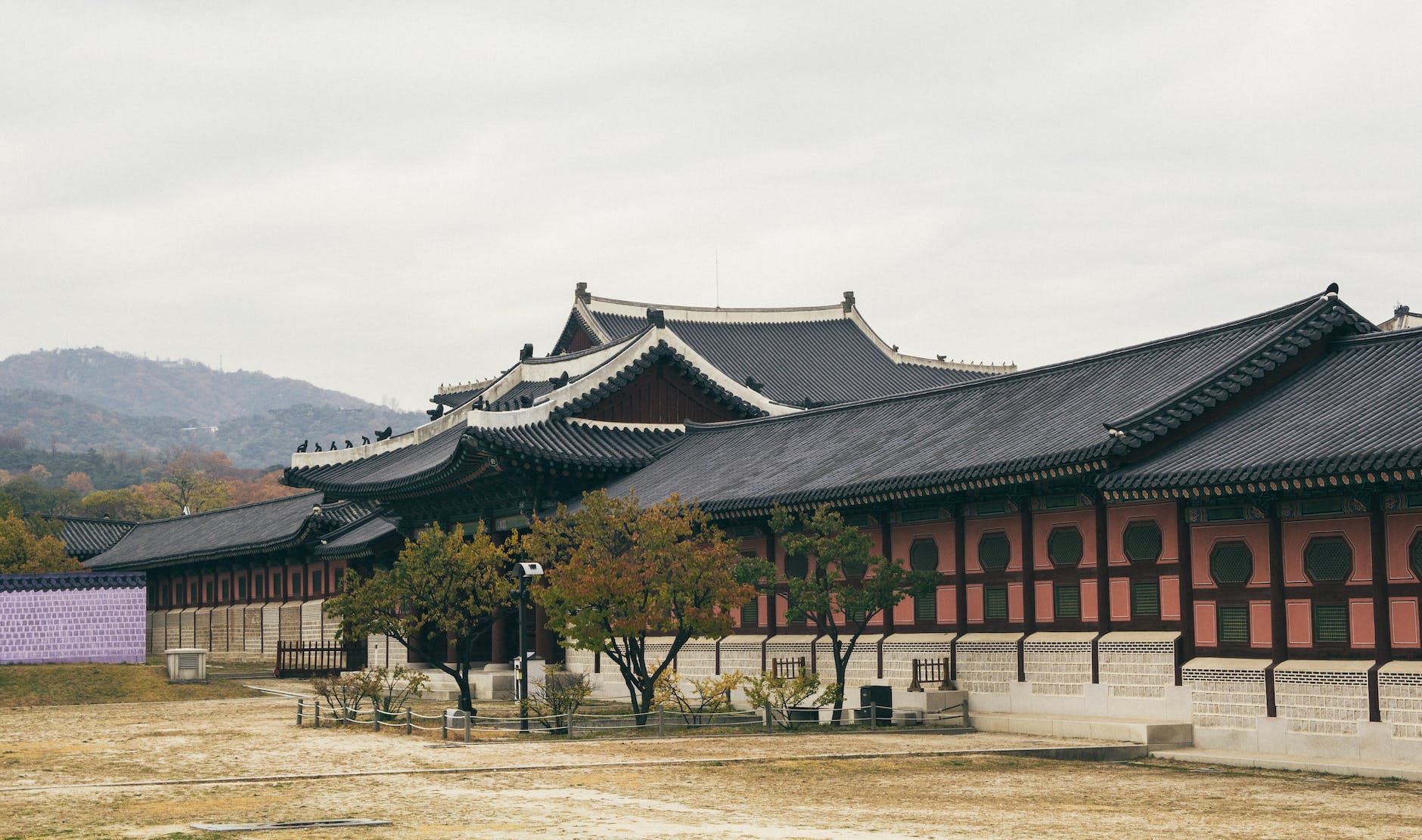

Seoul, the capital of South Korea, is a vibrant metropolis that perfectly blends the old with the new. With a history that spans over 2,000 years, the city has evolved into a global hub of culture, technology, and commerce. This explores the multifaceted identity of Seoul, examining its historical roots, cultural significance, and the modern developments that define it today.
Historical Overview
Seoul’s history dates back to 18 BCE when it was established as the capital of the Baekje Kingdom. Over the centuries, the city has transformed through various dynasties, each leaving their mark on its architecture and culture. The establishment of the Joseon Dynasty in 1392 marked a significant turning point, as the dynasty moved its capital to Seoul, then known as Hanyang. Under the Joseon Dynasty, the city flourished as a center of Confucian scholarship and culture. Notable landmarks from this period, such as Gyeongbokgung Palace and Changdeokgung Palace, showcase the grandeur of traditional Korean architecture and royal heritage.
Despite the ravages of war and occupation, notably during the Japanese colonization from 1910 to 1945, Seoul has shown remarkable resilience. The Korean War (1950-1953) left the city in ruins, but it emerged from the conflict with a renewed determination to rebuild and modernize. The Rapid Industrialization Program initiated in the 1960s transformed Seoul into an economic powerhouse, propelling its population growth and urban development.

Cultural Landscape
Today, Seoul stands as a global city that epitomizes a dynamic blend of cultural heritage and modern innovation. The city’s cultural landscape is punctuated by vibrant neighborhoods, each with its unique charm. Areas like Insadong, with its traditional tea houses and art galleries, provide a glimpse into Korea’s rich history, while Gangnam and Hongdae showcase the exuberance of contemporary Korean pop culture.
Seoul is also at the forefront of the Hallyu phenomenon, or the “Korean Wave,” which has gained international popularity through K-pop, Korean dramas, and fashion. The influence of idols and entertainment can be seen in the bustling streets, where fans gather to catch a glimpse of their favorite stars, leading to a thriving economy around K-pop merchandise.
Moreover, the city’s commitment to arts and culture is apparent through various festivals, museums, and theaters. The Seoul Arts Center and the National Museum of Modern and Contemporary Art are just a few institutions that promote the thriving artistic scene. Additionally, traditional festivals such as Chuseok (Korean Thanksgiving) and Seollal (Lunar New Year) offer residents and visitors alike a chance to engage with Korea’s customs and traditions.

Technological Advancements and Modern Development
Seoul is a testament to modernity, equipped with cutting-edge technology and infrastructure. It is a city driven by innovation, where transportation systems like the extensive subway network and the high-speed KTX train exemplify efficiency and accessibility. The introduction of smart city initiatives has positioned Seoul as a leader in technology, enhancing the urban experience through Internet of Things (IoT) applications and sustainable practices.
The skyline of Seoul is dominated by striking architecture, including the iconic N Seoul Tower, the futuristic Dongdaemun Design Plaza, and the high-rise buildings of the financial district. Areas such as the Digital Media City symbolize Seoul’s commitment to technology and media, attracting global companies and fostering start-ups.
Challenges and Future Prospects
Despite its advancements, Seoul faces challenges such as air pollution, housing affordability, and an aging population. The government is actively working to implement policies that address these issues while promoting sustainable development. For instance, initiatives to increase green spaces and improve air quality are part of the city’s long-term plan to enhance the quality of life for its residents.
In conclusion, Seoul is a city that embodies the richness of its history while embracing the opportunities of modernity. It is a place where tradition meets innovation, where ancient palaces coexist with skyscrapers, and where culture thrives amid rapid change. As Seoul continues to evolve in the 21st century, it remains a dynamic, resilient city that attracts millions of visitors and continues to inspire countless individuals around the globe.




Leave a Reply