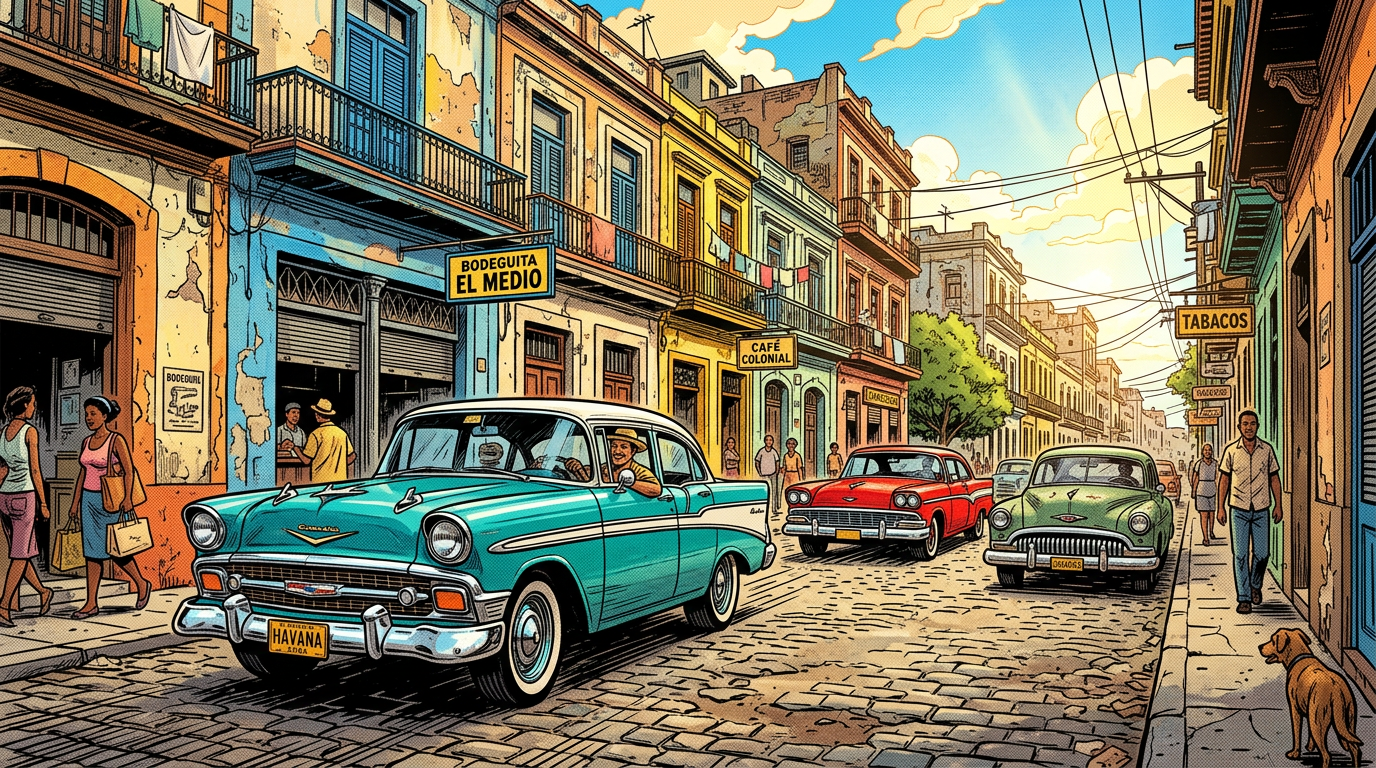

Havana, the capital city of Cuba, is a bustling metropolis that embodies the rich cultural heritage, historical significance, and vibrant energy of the Caribbean. With its picturesque streets, colonial architecture, and lively atmosphere, Havana has become a focal point for travelers seeking an authentic experience. This explores the various elements that make Havana a unique and compelling destination, delving into its history, culture, architecture, and modern-day realities.

Historical Significance
Founded in 1519 by Spanish explorer Diego Velázquez de Cuéllar, Havana quickly became a crucial port and military base for Spain in the Americas. Its strategic location made it a vital hub for trade and commerce, leading to its rapid growth in the 16th and 17th centuries. The city’s historical significance is further amplified by its role during various conflicts, including the Spanish-American War, which marked a turning point in Cuban independence. The layers of history embedded in Havana are palpable, with landmarks like El Morro, a fort built to protect the harbor from pirates, standing as a testament to its turbulent past.
Architectural Marvels
Havana’s architecture is a breathtaking blend of colonial, neoclassical, baroque, and modern styles. The city’s historic center, Old Havana (La Habana Vieja), has been designated a UNESCO World Heritage site, showcasing beautifully preserved buildings that tell the story of the city’s evolution. The intricate facades of buildings such as the Catedral de la Habana and the Palacio de los Capitanes Generales reflect the artistic prowess of the past, while the iconic revolution-era monuments, like the Plaza de la Revolución, symbolize the political changes that have shaped the nation. Wandering the colorful streets, visitors are treated to a visual feast, where each corner reveals another facet of Havana’s architectural heritage.

Cultural Melting Pot
Havana is not just a city of historical importance; it is also a vibrant cultural melting pot that celebrates music, dance, and the arts. The city is the birthplace of several music genres, including son, salsa, and rumba, which resonate through the streets and venues. The Buena Vista Social Club, a famous ensemble of Cuban musicians, has helped to popularize Cuban music worldwide, bridging cultural gaps and inviting global appreciation for the island’s sounds. The National Ballet of Cuba, founded by the illustrious ballet dancer Alicia Alonso, stands as a beacon of the performance arts, showcasing the talent and dedication of Cuban artists.
Art in Havana is equally thriving, with numerous galleries and street art showcasing the thoughts and emotions of a nation. The neighborhood of Wynwood became a haven for muralists and street artists, exemplifying the modern artistic movements that coexist with traditional forms. Events like the Havana Biennial bring together artists from around the world, illustrating how the creative spirit of the city remains resilient and dynamic, despite the socio-political challenges it faces.
The Pulse of Modern Havana
Today, Havana stands at a crossroads between the past and present. The socio-economic changes following the late 20th century have led to a complex reality where the remnants of socialism coexist with a burgeoning private sector. The recent easing of restrictions and the emergence of private enterprises have facilitated a new wave of entrepreneurship, particularly in the hospitality and restaurant sectors. The rise of bed-and-breakfasts and private restaurants (paladares) showcases the innovative spirit of the people, who strive to offer authentic experiences to visitors while navigating the challenges posed by ongoing economic hardship.
Despite its struggles, Havana continues to exude resilience and warmth, embodying the spirit of its people. The warmth of Cuban hospitality, the aroma of freshly made comida criolla, and the rhythms of spontaneous salsa music create an inviting atmosphere for tourists. As visitors stroll along the Malecón, Havana’s famous seafront promenade, they can witness the daily life of locals, filled with laughter, conversation, and camaraderie.

summary
In conclusion, Havana is a city that resonates with history, culture, and an indomitable spirit. Its stunning architecture, rich musical heritage, and the vibrant pulse of its modern-day reality create a tapestry that captivates anyone who sets foot in its charming streets. As Cuba continues to navigate its future, Havana remains a beacon of resilience and vitality, inviting the world to experience the unique fusion of yesterday and today that defines this remarkable city. Whether through a leisurely stroll through Old Havana or a dance at a lively salsa club, the essence of Havana is sure to leave an indelible mark on the hearts of all who visit.



Leave a Reply