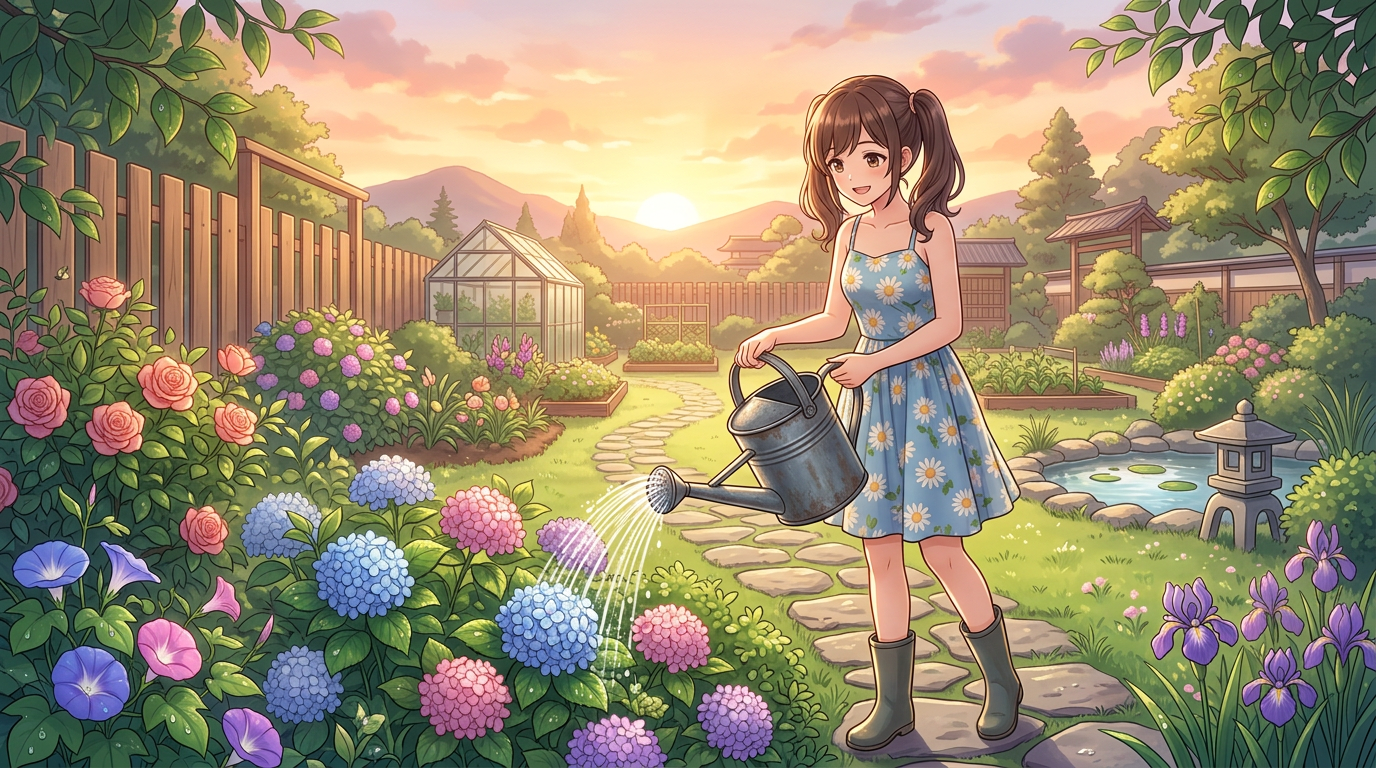
Summer is a season of vibrant blooms and lush greenery, but it also brings hot and dry weather that can threaten the health of our beloved flowers. Proper watering is essential to keep flowers healthy, vibrant, and thriving throughout the summer months. Doing it correctly ensures that plants receive the right amount of moisture without causing harm. This explores the importance of watering flowers in summer and provides tips on how to do it perfectly.

The Importance of Proper Watering
Flowers require adequate water to carry out vital processes such as photosynthesis and nutrient absorption. During summer, high temperatures and increased evaporation rates mean that plants lose water quickly. If not supplemented properly, flowers can wilt, become stressed, or even die. Proper watering helps maintain soil moisture, supports healthy growth, and enhances blooming.
How to Water Flowers Perfectly
Timing is Key: The best time to water flowers is early morning. During this time, the sun is less intense, and water can penetrate the soil before the heat of the day causes rapid evaporation. Evening watering is also acceptable but should be done early enough to allow leaves to dry, preventing fungal diseases.
Water Deeply and Infrequently: Rather than giving flowers a light sprinkling every day, it is more beneficial to water deeply and less often. Deep watering encourages roots to grow deeper into the soil, making plants more resilient to drought. Aim to water until the top 6-8 inches of soil is moist.

Use the Right Amount of Water: Overwatering can drown roots and cause root rot, while underwatering can lead to wilting. Use your finger or a moisture meter to check soil moisture. Generally, flowers need about 1 to 2 inches of water weekly, depending on the type of flowers and soil conditions.
Employ Proper Techniques: Use a watering can or a garden hose with a gentle spray to avoid damaging delicate flowers. Drip irrigation systems or soaker hoses are excellent options for consistent and efficient watering.
Mulch to Retain Moisture: Applying mulch around flowers helps retain soil moisture, regulate temperature, and reduce evaporation. Organic mulches like straw, bark, or compost are ideal.
Observe and Adjust: Regularly monitor your flowers for signs of over or underwatering. Wilting, yellowing leaves, or dry soil indicate the need for adjustment.
Watering flowers in summer requires careful attention and proper techniques to ensure they flourish despite the heat. By watering early in the day, deep watering, using appropriate tools, and observing plant needs, gardeners can keep their flowers healthy and beautiful throughout the season. With a little effort and knowledge, summer gardening can be a rewarding experience filled with vibrant blooms and lush greenery.








Leave a Reply