Some of the world’s most beautiful places remind us of nature’s incredible artistry. Equally, the kindness and diversity of people around the globe inspire us to connect, learn, and celebrate our shared humanity. Together, these places and people make our world truly extraordinary. Uniting us in wonder, connection, and hope for a brighter future.

Kyoto, Japan: A Cultural Jewel
Kyoto, the ancient capital of Japan, is renowned for its rich history, breathtaking scenery, and cultural significance. Established in 794 as the imperial capital, Kyoto is a city where the past harmoniously coexists with the present, making it a must-visit destination for anyone seeking to explore Japan’s heritage.
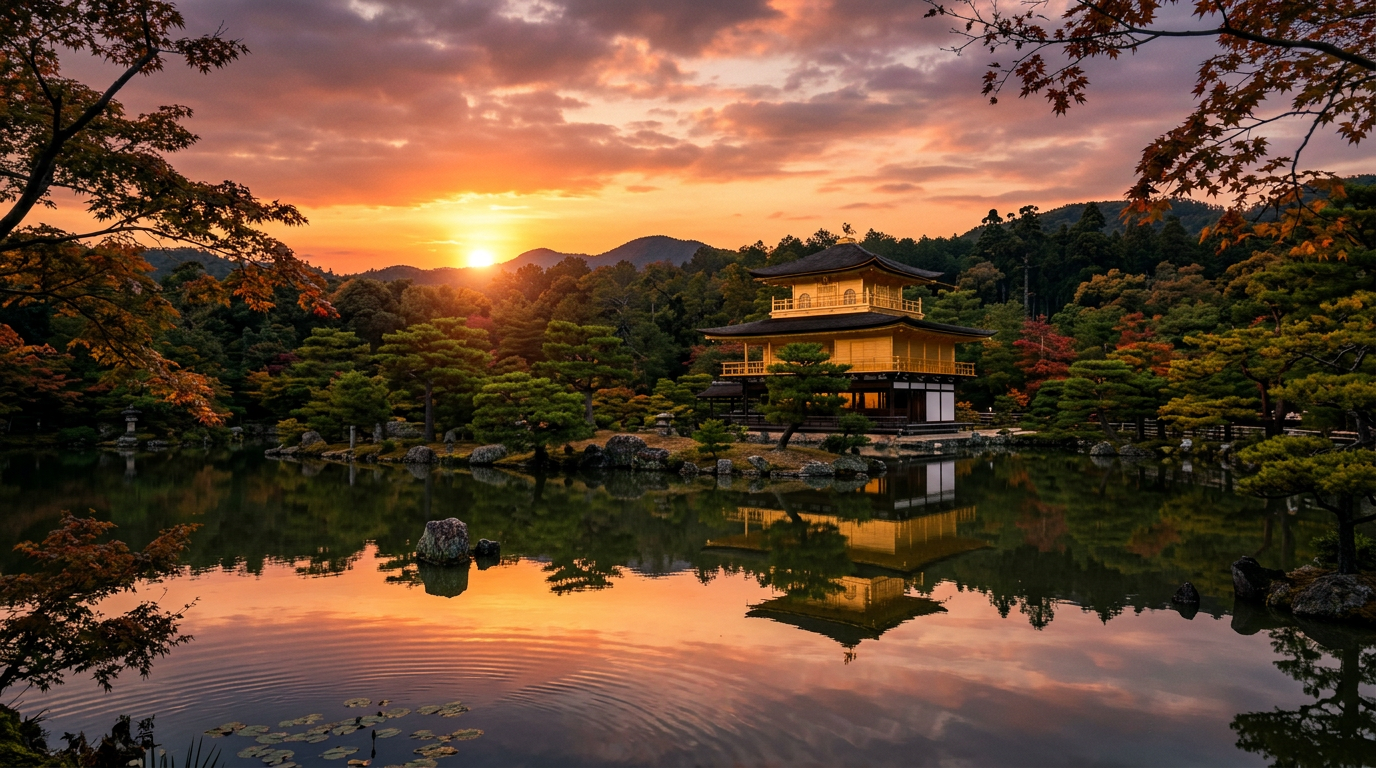
One of the city’s most captivating features is its well-preserved temples, many of which are UNESCO World Heritage Sites. The Kinkaku-ji, or Golden Pavilion, is arguably one of the most iconic. Drenched in stunning gold leaf, this zen temple reflects beautifully in the surrounding pond, offering visitors a moment of tranquility and reflection. Similarly, the Ryoan-ji, known for its famous rock garden, encourages meditation and contemplation amid its minimalist design.

In addition to its temples, Kyoto is home to traditional tea houses that embody the spirit of Japanese hospitality. The tea ceremony, or “chanoyu,” is an art form that symbolizes respect, tranquility, and purity. Visitors can experience the serenity of this ritual in the historical districts like Gion, where geishas gracefully navigate the streets, embodying the elegance of a bygone era.
The cherry blossom season, or Hanami, draws crowds from around the globe. Parks and gardens across the city come alive with soft pink petals, creating a picturesque backdrop for picnics and gatherings. During this time, the atmosphere is electric, as locals and tourists alike celebrate the fleeting beauty of these blossoms, a poignant reminder of the transience of life.

Upcoming Events in Kyoto
Kyoto also hosts a variety of events that further showcase its cultural richness. The Kyoto International Manga Anime Fair, held annually, celebrates the global impact of anime and manga culture. This event attracts enthusiasts from around the world, providing platforms for artists, cosplayers, and fans to engage, share, and immerse themselves in the vibrant world of Japanese pop culture.
Another significant event is the Gion Matsuri Festival, taking place in July 2026. Spanning the entire month, Gion Matsuri is one of Japan’s most famous festivals, featuring elaborate parades, stunning floats, and traditional performances that reflect Kyoto’s deep-rooted customs and community spirit.
In addition to these events, the illumination of the Kiyomizu Temple during seasonal festivals offers a breathtaking sight. The temple, perched on a hillside, is adorned with lights that highlight its architectural beauty against the night sky, creating a magical experience for all visitors.

Conclusion
In summary, Kyoto stands as a testament to Japan’s historical and cultural legacy. From its majestic temples and serene tea houses to its vibrant seasonal events, the city offers a unique journey through time. A visit to Kyoto is not just exploring a destination; it is a deep dive into a culture that cherishes history, beauty, and tradition. Whether one comes for the cherry blossoms, the festivals, or simply to wander its ancient streets, Kyoto promises to leave an indelible mark on the soul of every traveler.







Leave a Reply