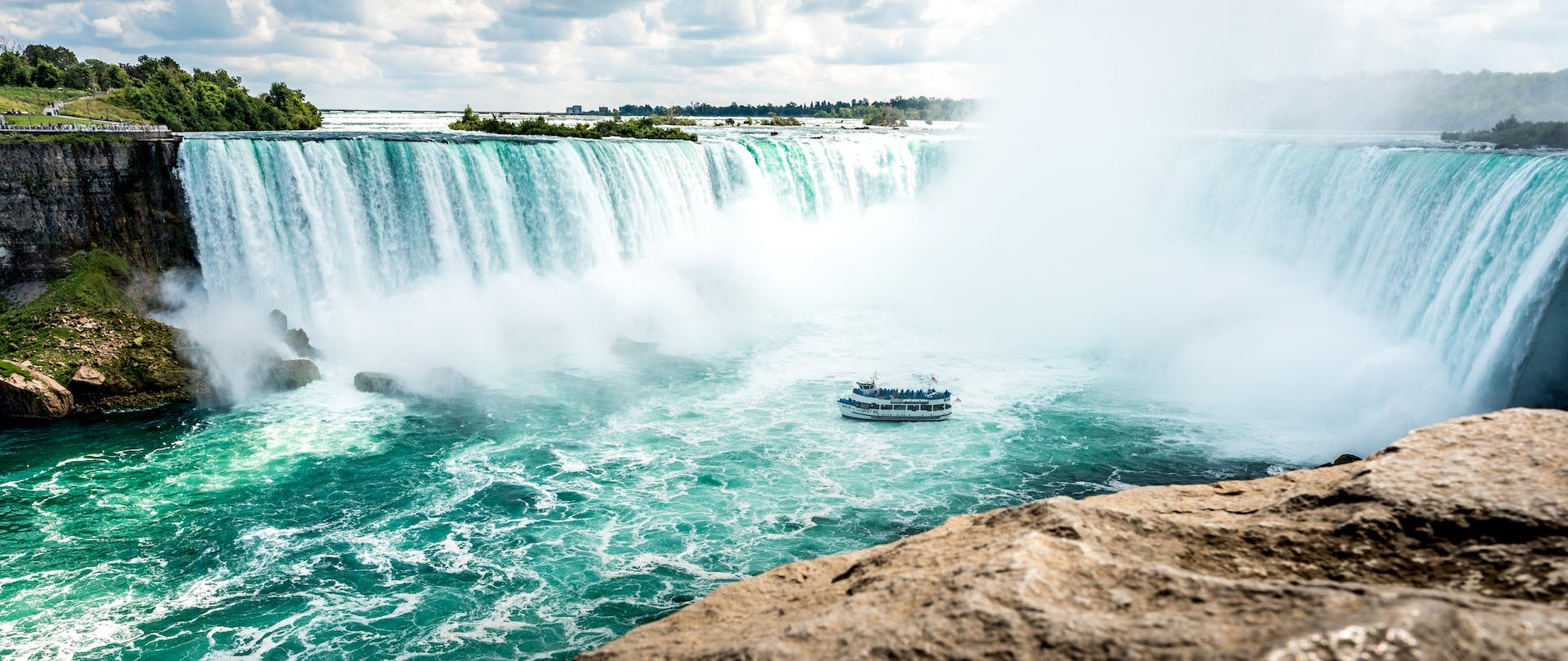

Niagara Falls, straddling the border between the United States and Canada, is one of the most iconic natural landmarks in North America. Comprised of three distinct waterfalls—Horseshoe Falls, American Falls, and Bridal Veil Falls—Niagara Falls is not only a breathtaking sight but also a significant cultural, historical, and economic asset. The majesty of the falls, along with its surrounding landscapes and attractions, has made it a central destination for millions of tourists every year.
Geographical and Geological Significance
Niagara Falls is located on the Niagara River, which serves as a natural border between Ontario, Canada, and New York, USA. The falls themselves are the result of glacial activity during the last Ice Age, around 12,000 years ago. The powerful flow of water from Lake Erie to Lake Ontario has carved the landscape, creating the stunning cliffs and waterfalls that exist today.
Horseshoe Falls, the largest of the three, is renowned for its immense flow rate, approximately 168,000 cubic meters of water cascading every minute. The American Falls and Bridal Veil Falls, while smaller, offer their own unique beauty and charm. The thunderous roar of the water, combined with the mist that rises from the base of the falls, creates an awe-inspiring atmosphere that captivates visitors.
Historical Context
Niagara Falls has a rich history that intertwines the lives of Indigenous peoples and European settlers. The area was originally inhabited by the Haudenosaunee Confederacy and the Anishinaabe tribes, who revered the falls and incorporated them into their cultural narratives and spiritual practices. The first recorded European encounter with Niagara Falls occurred in 1678 when French explorer Louis Hennepin arrived, marveling at its grandeur.
Throughout the 19th century, the falls became a popular site for tourists and a symbol of natural beauty. The development of the surrounding areas included the establishment of observation points, hotels, and parks, which further enhanced the accessibility and appeal of this natural wonder. Despite the influx of visitors and the commercialization of the area, efforts have been made to preserve the natural beauty of Niagara Falls, with parts of the surrounding land designated as parks and reserves.
Economic Impact of Tourism
Today, Niagara Falls is a major tourist attraction, drawing an estimated 12 million visitors annually. The local economy thrives on this influx, with tourism-related businesses, hotels, restaurants, and entertainment options capitalizing on the allure of the falls. The falls serve as a backdrop for numerous festivals and events, including the Niagara Wine Festival and the annual illumination of the falls, where vibrant lights paint the icy cascades with an array of colors.
The economic significance extends beyond mere tourism. The hydroelectric power generated from Niagara Falls is a vital resource for both Canada and the United States. The Niagara Power Project harnesses the energy of the falls, contributing substantially to the regional power grid while underscoring the dual identity of the falls as both a natural marvel and a critical economic asset.

Cultural and Artistic Influence
Niagara Falls has also made a profound impact on art and popular culture. From paintings to poetry, the falls have inspired countless artists, writers, and musicians. The romanticism surrounding the falls has led to its depiction in various forms of media, solidifying its status as a symbol of beauty and nature’s power.
Moreover, the falls have played a role in numerous films and television shows, contributing to their cultural mythos. The juxtaposition of the natural wonder against the backdrop of human ingenuity, such as the construction of the Maid of the Mist boat tours and the various observation decks, has fostered a sense of admiration for the intersection of nature and human craftsmanship.
Environmental Considerations
With the popularity of Niagara Falls comes the responsibility to ensure its preservation for future generations. Environmental issues, such as pollution and the effects of climate change, pose significant threats to the natural landscape. Conservation efforts are critical in maintaining the ecological health of the area and ensuring that the falls remain a site of beauty and wonder.
Organizations focused on environmental protection and sustainability have been working diligently to safeguard the waters of the Niagara River and promote responsible tourism. Educational programs aimed at raising awareness of environmental issues are also becoming increasingly important as visitors seek to understand the local ecosystem and the importance of preserving it.
summary
Niagara Falls stands as a testament to the majesty of nature, a geographical marvel that has captured the imagination of countless individuals across centuries. Its historical significance, economic impact, cultural resonance, and the ongoing efforts for environmental preservation collectively highlight the importance of these impressive waterfalls. As we continue to appreciate and admire Niagara Falls, it is vital to engage in sustainable practices that honor this natural wonder, ensuring that it remains a source of inspiration for generations to come. Through responsible tourism and conservation efforts, we can protect this iconic landmark, allowing its beauty and power to endure in the heart of North America.




Leave a Reply