
The creation of “Blinding Lights” is a masterclass in modern pop architecture, bridging the gap between retro 1980s nostalgia and the rigorous calculations of contemporary hit-making. When The Weeknd (Abel Tesfaye) teamed up with legendary Swedish producer Max Martin and co-producer Oscar Holter, they did not merely recreate a vintage synth-pop track; they engineered a cultural juggernaut that would eventually shatter streaming and chart longevity records—despite the artist’s own deep anxieties that the song would completely bomb.
At its core, the song’s identity is rooted in the sonic aesthetics of the 1980s—drawing deep inspiration from new wave, synthwave, and European synth-pop acts like A-ha. This influence is most obvious in the track’s driving, gated drum machine patterns and the shimmering arpeggios of the Roland Juno-60 synthesizer, which carry the central melodic hook. Yet, what separates “Blinding Lights” from a simple novelty throwback is the meticulous precision of its construction. Max Martin is renowned for applying a near-mathematical discipline to songwriting, spending weeks dissecting individual notes to maximize emotional resonance. Built around a tight chord progression derived from the F Dorian scale, the track maintains a deceptive simplicity. The arrangement relies on subtle production tricks rather than massive structural shifts, keeping the core instruments nearly identical while altering mixing brightness and filters to manufacture tension and release.

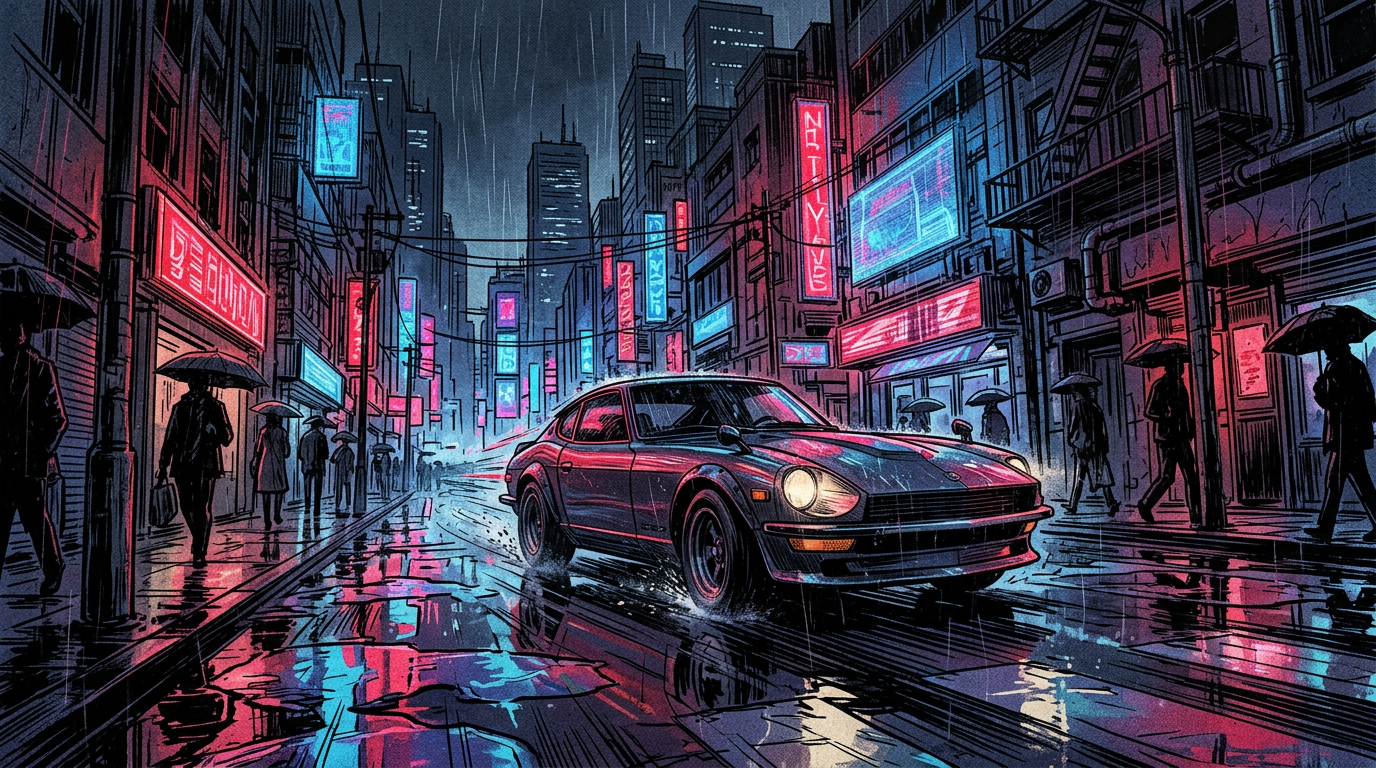
Lyrically and visually, the song complements its audio production with a cinematic sense of nocturnal urgency. Tesfaye described the track as capturing the desperation of driving through a city at night, intoxicated and blinded by streetlights, driven purely by the need to reach a loved one despite overwhelming loneliness. That nocturnal, slightly menacing edge was brought to life in its iconic music video featuring a bruised Tesfaye racing through the neon-drenched streets of downtown Las Vegas.
Despite this intricate craftsmanship, the track’s future looked bleak during its initial rollout. The Weeknd has openly admitted in interviews that he was genuinely terrified the song would flop, fearing its unapologetic 1980s retro experimentation and departure from his signature dark R&B sound would alienate listeners. Its commercial debut was unconventional, quietly premiering globally via a German Mercedes-Benz commercial in late November 2019 before hitting streaming platforms.
Yet, those initial fears were entirely unfounded. Rather than failing, its blend of classical composition techniques, nostalgic textures, and unyielding emotional hook struck a historic chord with a global audience. It went on to shatter records with a mind-boggling 90 weeks on the Billboard Hot 100 and billions of streams, turning what its creator once feared would be a commercial failure into the definitive pop anthem of the modern era.








Leave a Reply