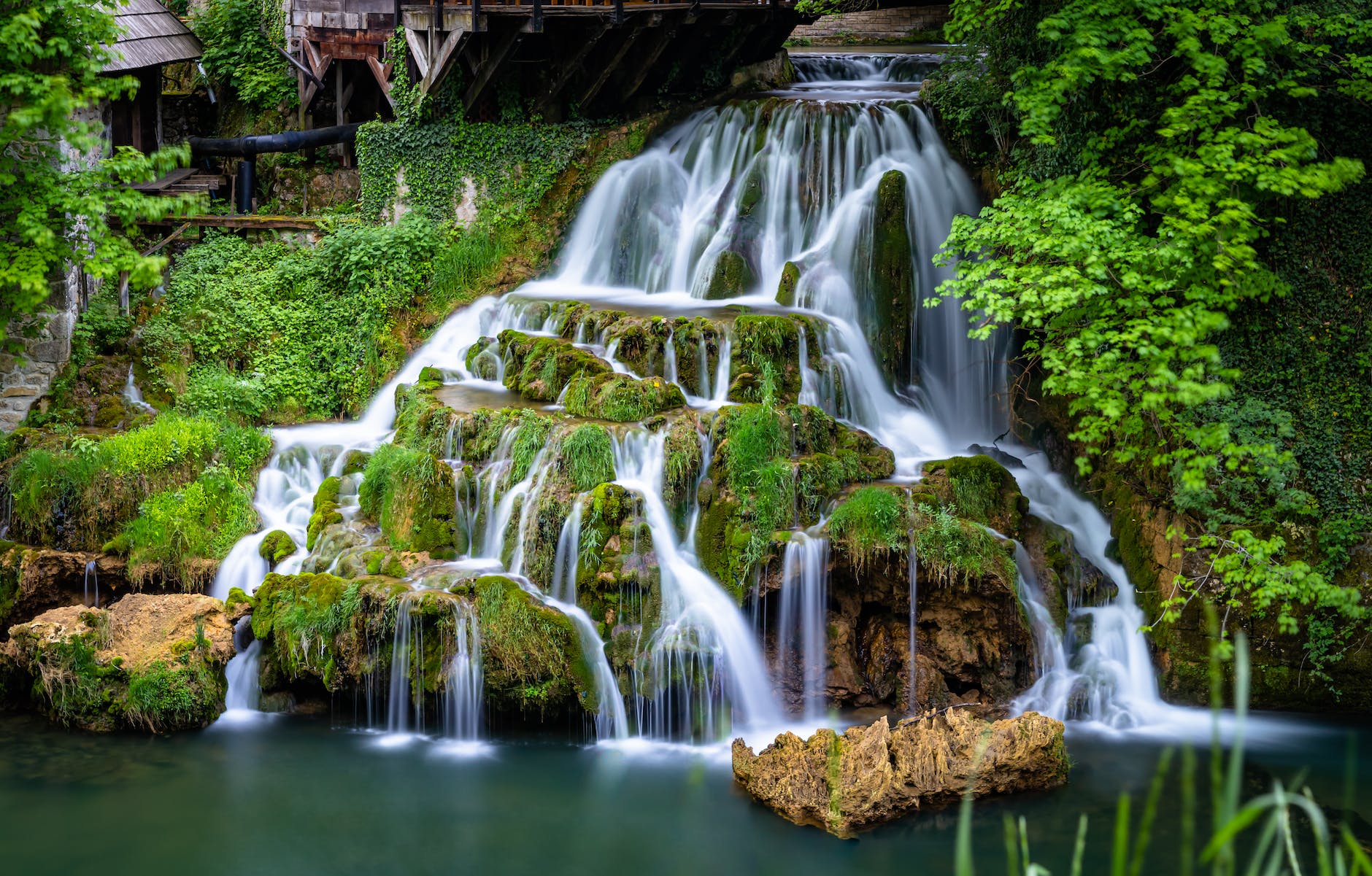

Nestled in the heart of Croatia, Plitvice Lakes National Park stands as one of Europe’s most captivating natural treasures. Renowned for its stunning lakes, cascading waterfalls, and lush biodiversity, the park has earned a UNESCO World Heritage designation and continues to attract millions of visitors each year. This delves into the natural beauty, ecological significance, and recreational opportunities offered by Plitvice Lakes, highlighting why it remains a must-visit destination for nature lovers and adventure seekers alike.
Natural Beauty and Geographical Features
The breathtaking landscape of Plitvice Lakes National Park spans 296 square kilometers and is characterized by a series of interconnected lakes divided into the Upper and Lower Lakes. The complex consists of 16 terraced lakes that vary in color from azure to turquoise, green, and gray, depending on the minerals present and the sunlight’s angle. This unique coloration can be attributed to the high levels of calcium carbonate, which not only contributes to the lakes’ beauty but also explains their significance in studying geological processes.
The park’s undeniable charm is accentuated by its myriad of waterfalls, with the largest being the 78-meter-high Veliki Slap, or Great Waterfall. The sound of rushing water and the sight of mist rising from the falls create a serene atmosphere that captivates visitors and fills their spirits with awe. The interplay of water, lush greenery, and the pristine environment reflects a pristine ecosystem, making it a true oasis for wildlife.
Biodiversity and Ecological Significance
Beyond its stunning visuals, Plitvice Lakes National Park also plays a crucial role in preserving biodiversity. The park is home to a diverse range of flora and fauna, encompassing over 1,500 plant species and more than 200 bird species, such as the elusive golden eagle and the vibrant kingfisher. The park’s unique ecosystems also include several endangered species, including the European brown bear and the wolf.
The waters of the park support various aquatic life forms, including fish species like the Danube salmon and the marble trout. The balance of these ecosystems is vital not only for the wildlife but also for the surrounding regions. Preserving the park’s delicate habitats ensures that future generations can enjoy the natural splendor and ecological richness that Plitvice has to offer.

Recreational Opportunities and Visitor Experience
Plitvice Lakes National Park is not only an ecological haven but also a hub for recreation and exploration. Well-maintained trails wind through the park, allowing visitors to experience its beauty on foot or via electric boats that navigate the lakes. These pathways offer various routes catering to different fitness levels, providing a comprehensive experience for families, casual walkers, and avid hikers alike.
In addition to hiking, the park encourages sustainable tourism practices, ensuring that visitors appreciate the environment while protecting it. Educational programs and guided tours are available, with rangers imparting knowledge about the park’s ecosystems, history, and conservation efforts. These initiatives enhance visitors’ understanding and appreciation of the park, fostering a sense of responsibility toward environmental protection.
Challenges and Conservation Efforts
Despite its idyllic status, Plitvice Lakes National Park faces challenges. Increasing visitor numbers pose risks to the delicate ecosystems, leading to erosion, pollution, and habitat disturbance. In response, park authorities have implemented measures to manage tourism effectively, including limiting visitor numbers during peak seasons and promoting environmental education programs. Conservation efforts aim to maintain the balance between human activity and ecological preservation.
summary
Plitvice Lakes National Park offers a stunning illustration of nature’s artistry and resilience. Its cascading waterfalls, crystal-clear lakes, and rich biodiversity create a serene environment that enthralls all who visit. The park not only serves as a reminder of nature’s beauty but also highlights the importance of conservation in sustaining such treasures. As we look to the future, it is imperative that we cherish and protect Plitvice Lakes, ensuring that generations to come can marvel at its breathtaking landscapes and vibrant ecosystems. In doing so, we acknowledge nature’s profound impact on our lives and reaffirm our commitment to safeguarding the planet’s natural wonders.




Leave a Reply