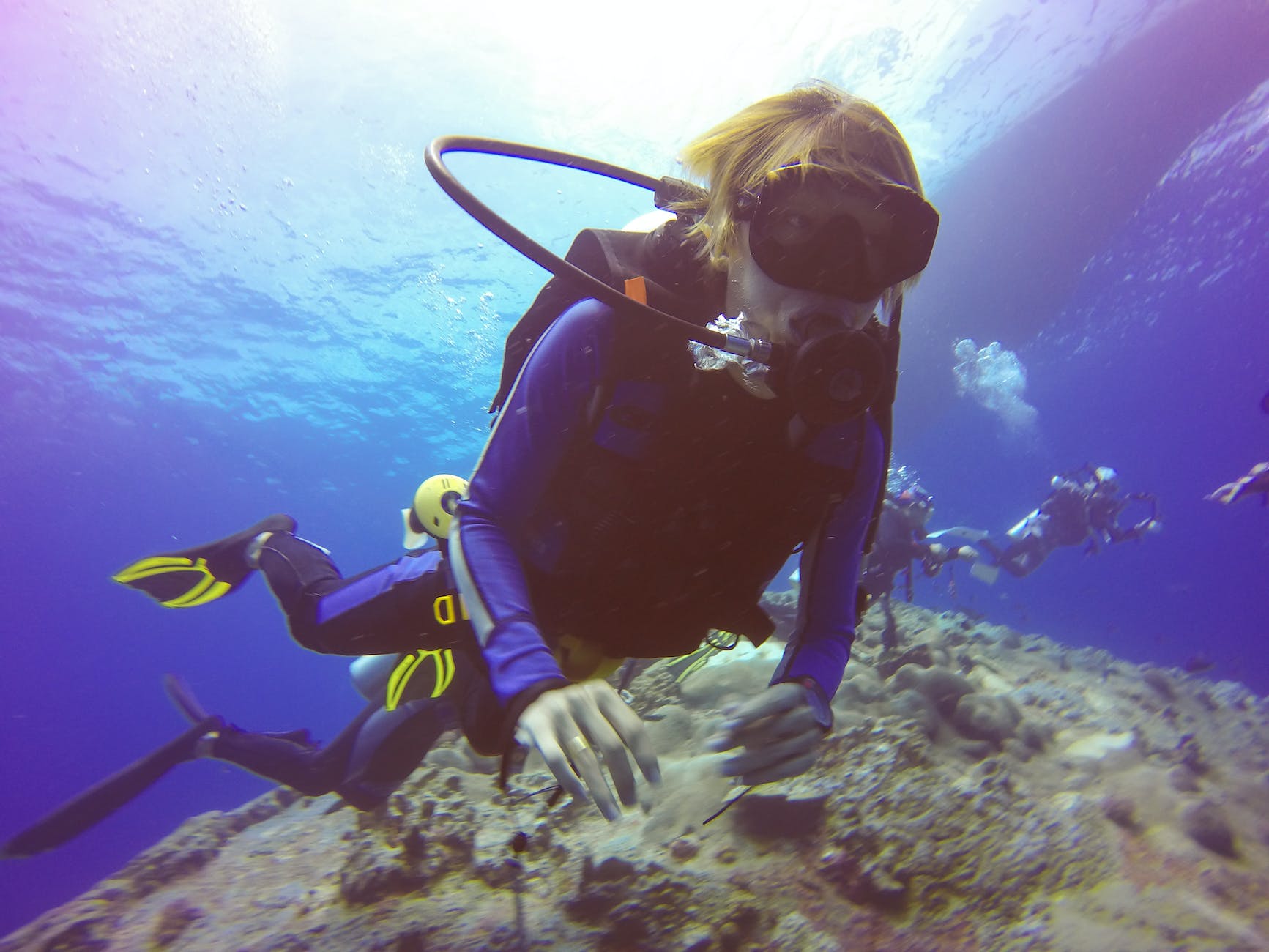

Underwater diving is a unique exploration that transcends the mundane boundaries of life on the surface, opening a window to a mesmerizing underwater world filled with vibrant ecosystems, diverse marine life, and the haunting beauty of underwater landscapes. While initially undertaken for survival and fishing, diving has evolved into a popular recreational activity, scientific research tool, and critical environmental monitoring technique. This delves into the history, techniques, benefits, and environmental implications of underwater diving.
A Brief History of Underwater Diving
The origins of underwater diving trace back to ancient civilizations, where crude forms of diving were practiced for fishing, salvage, and exploration. Historical accounts suggest that divers in ancient Greece used hollowed-out reeds to breathe while exploring underwater. Over centuries, innovation spurred the development of more sophisticated diving equipment, culminating in the invention of the first air-filled diving bell in the 16th century. It wasn’t until the 20th century that modern scuba (Self-Contained Underwater Breathing Apparatus) diving emerged, thanks largely to technological advancements in gas storage and pressure regulation. Pioneers like Jacques Cousteau and Emile Gagnan played pivotal roles in making diving accessible to the masses by developing the first successful scuba gear in 1943.
Techniques and Equipment
Modern diving incorporates a variety of techniques and equipment tailored to different environments and purposes. Recreational divers typically utilize scuba gear, which includes a tank filled with compressed air, a regulator to control air flow, a buoyancy control device (BCD), and wetsuits or drysuits for thermal insulation. Advanced divers may engage in technical diving, which involves the use of mixed gases, rebreathers, or deep diving rigs to explore greater depths, engage in wreck diving, or conduct cave dives. Additionally, free diving—diving without breathing apparatus—relies on the diver’s ability to hold their breath, further emphasizing the varied styles of underwater exploration.
Benefits of Underwater Diving
One of the most immediate and profound benefits of underwater diving is the connection it fosters between individuals and nature. Divers often report feelings of tranquility and awe when submerged in the ocean, experiencing a sanctuary away from the noise and stress of daily life. This emotional engagement with the natural world promotes mental well-being and fosters a sense of responsibility for marine conservation.
Moreover, diving has significant scientific and educational value. Researchers utilize diving for marine biology studies, underwater archaeology, and geological surveys. Through direct observation and data collection, divers contribute to our understanding of marine ecosystems, biodiversity, and the effects of climate change on the ocean. Furthermore, diving organizations and courses promote environmental awareness, teaching divers about the importance of marine conservation and sustainable practices.
Environmental Implications
Despite its benefits, underwater diving has environmental implications that warrant careful consideration. The increasing popularity of diving tourism can lead to environmental degradation if not properly managed. Overcrowded dive sites, improper interactions with marine life, and damage to coral reefs and underwater habitats can threaten fragile ecosystems. To combat these issues, many organizations promote sustainable diving practices, such as adherence to designated pathways, proper training, and respect for marine environments.
Additionally, as divers, we must recognize our role in preserving the ocean’s health. Advocacy for marine protected areas, participation in underwater clean-up events, and responsible waste disposal are essential ways divers can give back to the environments they cherish.
Conclusion
Underwater diving is not merely a recreational pastime; it is a profound journey into the depths of our planet’s oceans that invites us to explore, understand, and protect the underwater world. With its rich history, evolving techniques, and multiple benefits, diving offers individuals a unique perspective on life beneath the waves. However, as we embrace the world of underwater exploration, we must also advocate for the health of our oceans, ensuring that future generations can continue to experience the wonder and beauty that lies beneath the surface. Through education, responsible practices, and a commitment to conservation, we can foster a lasting appreciation for the underwater realms that inspire and captivate humanity.




Leave a Reply