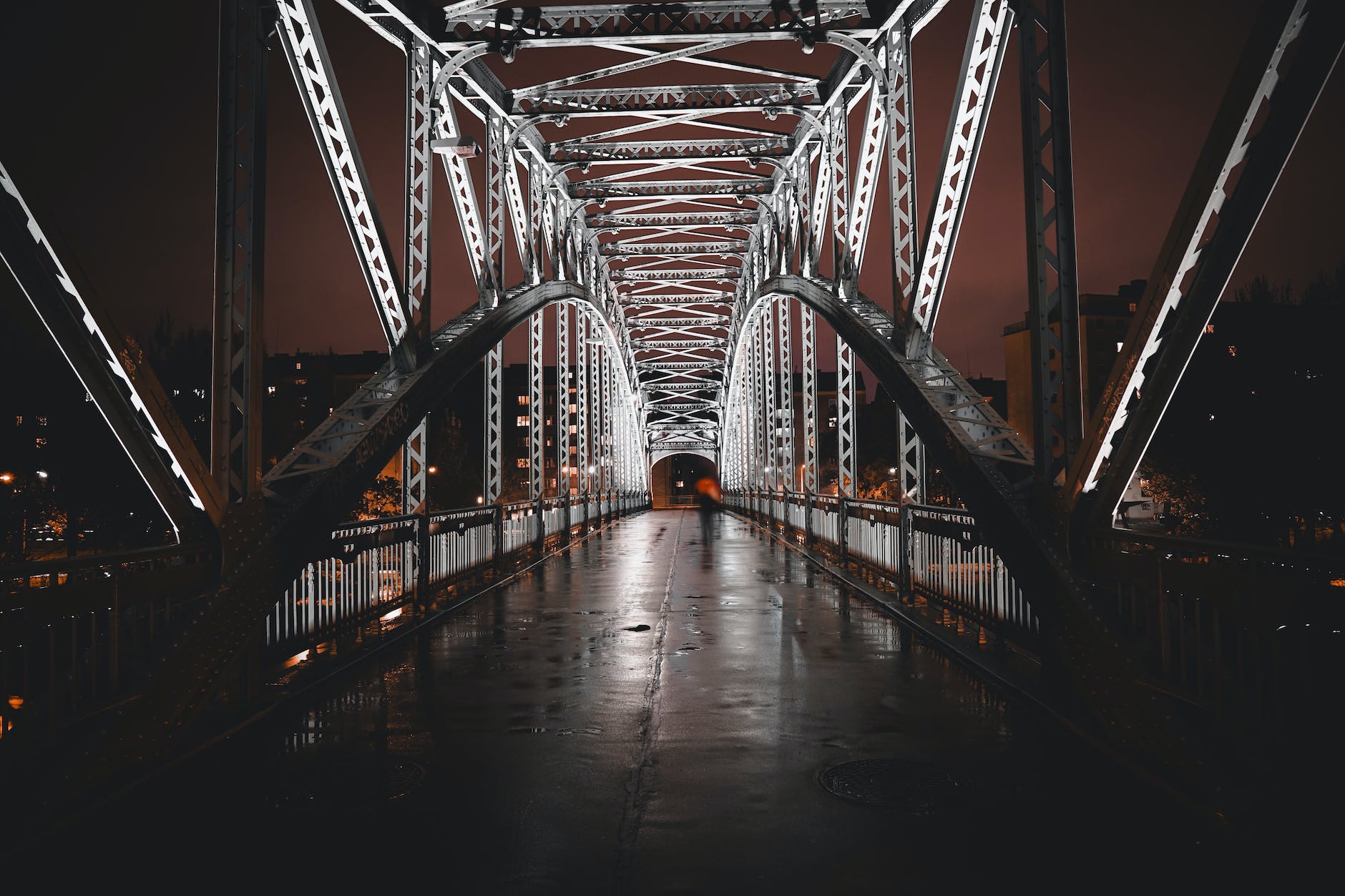

Vienna, the capital of Austria, is a city that epitomizes the blend of history, culture, and innovation. Nestled on the banks of the Danube River, Vienna has long been a center of art, music, politics, and science, influencing many spheres of European and global development. This explores the historical significance, cultural richness, and contemporary relevance of Vienna, painting a picture of a city that is as dynamic as it is rooted in its past.
Historical Significance
Vienna’s history is marked by its role as the capital of the Habsburg Empire, one of the most powerful dynasties in European history. The Habsburgs ruled for centuries, shaping the political landscape of Central Europe. Vienna served as a cultural and political hub where ideas were exchanged, alliances formed, and conflicts ignited. Significant historical events, such as the Congress of Vienna in 1814-1815, showcased the city’s importance in European diplomacy, leading to an era of relative peace known as the Concert of Europe.
The city’s architectural heritage reflects this rich history. From the opulent Schönbrunn Palace, a UNESCO World Heritage Site, to the grandeur of St. Stephen’s Cathedral, Vienna’s buildings tell the stories of its past. The Ringstrasse, a grand boulevard encircling the city center, was constructed in the 19th century and is lined with magnificent structures, including the Vienna State Opera and the Austrian Parliament. These landmarks not only attract millions of tourists each year but also serve as a reminder of the city’s historical significance.
Cultural Richness
Vienna is often referred to as the “City of Music” due to its profound contributions to the world of classical music. The city was home to legendary composers such as Wolfgang Amadeus Mozart, Ludwig van Beethoven, and Johannes Brahms, whose works have shaped the canon of Western classical music. The Vienna State Opera, one of the world’s leading opera houses, continues to celebrate this musical heritage, hosting performances that draw audiences from around the globe.
In addition to music, Vienna’s cultural landscape is enriched by its contributions to art, literature, and philosophy. The Belvedere Museum and the Kunsthistorisches Museum house impressive collections, including works by Gustav Klimt and Egon Schiele, showcasing the city’s role in the evolution of modern art. Furthermore, Vienna has produced notable literary figures, such as Franz Kafka and Stefan Zweig, whose works reflect the complexities of the human experience and the socio-political realities of their times.
Vienna’s coffeehouse culture is another essential aspect of its cultural identity. The traditional coffeehouses, such as Café Central and Café Sperl, have long been spaces for intellectual debate, creativity, and social interaction. These establishments not only provide a unique culinary experience but also serve as havens for artists, writers, and thinkers, nurturing the spirit of innovation and discourse that characterizes the city.

Contemporary Relevance
Today, Vienna stands as a model of modernity and innovation while remaining deeply connected to its historical roots. The city has embraced sustainability and technology, becoming a leader in urban development and environmental policy. Initiatives aimed at reducing carbon emissions, promoting public transportation, and enhancing green spaces reflect Vienna’s commitment to creating a livable and sustainable future.
Moreover, Vienna is a significant political center, hosting the headquarters of various international organizations, including the United Nations and the International Atomic Energy Agency. This positioning underscores Vienna’s role in global governance, peacekeeping, and diplomacy, providing a platform for dialogue and cooperation among nations.
The city’s multifaceted identity is further enhanced by its vibrant multiculturalism. Vienna is home to a diverse population, with residents from various cultural backgrounds, enriching the social fabric of the city. This diversity is celebrated through numerous festivals, food markets, and cultural events that showcase the contributions of different communities to the city’s identity.
summary
In conclusion, Vienna is a city that resonates with the echoes of its glorious past while navigating the complexities of the modern world. Its historical significance, cultural richness, and contemporary relevance make it a unique place where tradition meets innovation. As Vienna continues to evolve, it remains a beacon of artistic expression, intellectual thought, and diplomatic dialogue, ensuring its place as one of Europe’s most captivating cities. The charm of Vienna lies not only in its breathtaking architecture and musical heritage but also in its ability to inspire and connect people across time and space.







Leave a Reply