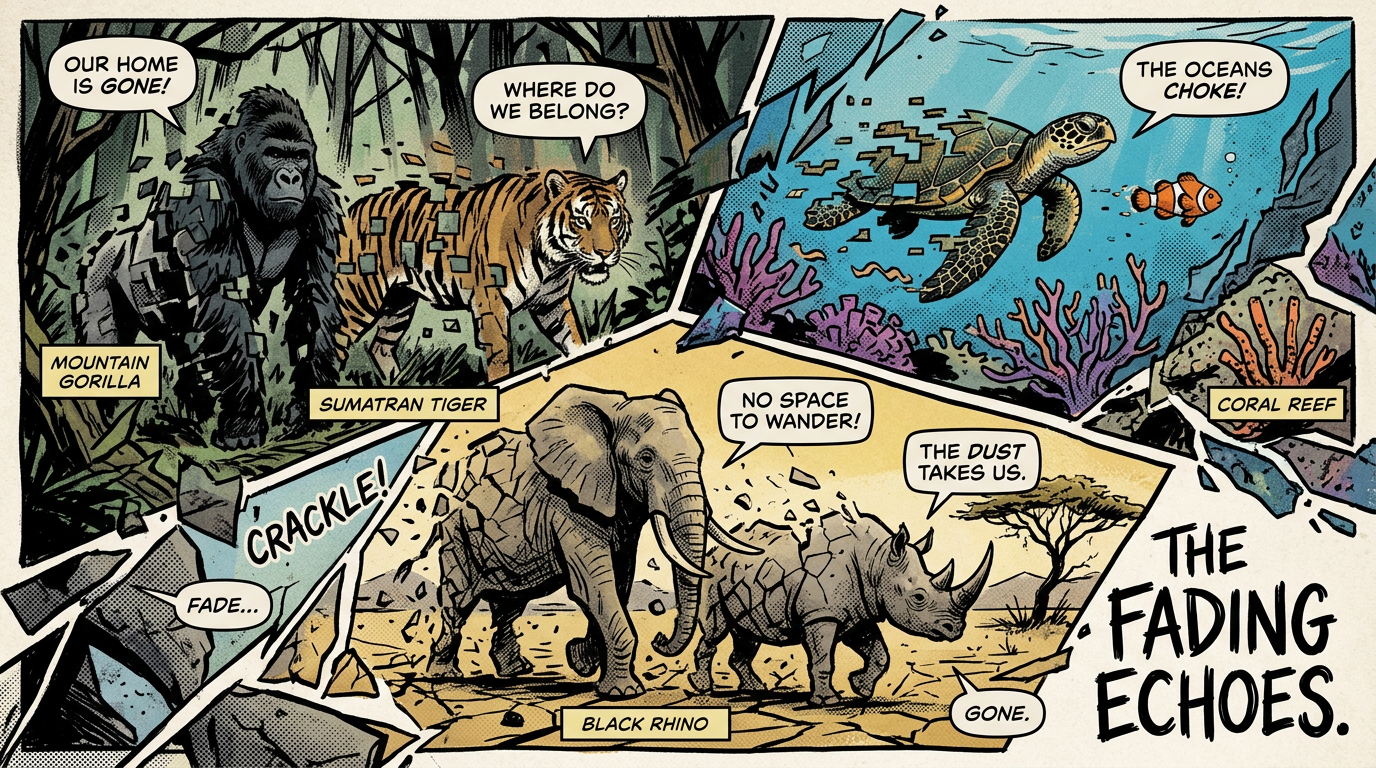

Over the past five centuries, human activity has profoundly shaped the planet’s ecosystems, leading to the extinction of over 800 species. This tragic phenomenon is not merely a statistic; it reflects the intricate web of life that supports and sustains our own existence. Understanding the factors contributing to this mass extinction event enables us to appreciate the urgency of addressing the environmental challenges we face today.
Historical Context
As we examine the last 500 years, we find that the Age of Exploration, beginning in the 15th century, marks a significant turning point in human interaction with the natural world. European colonization led to the introduction of invasive species, overhunting, and habitat destruction, particularly on islands where unique ecosystems prevailed. The extinction of the dodo bird in the late 17th century is perhaps the most emblematic example, tracing back to human exploitation and the consequential disruption of its habitat.

Habitat Destruction
One of the primary drivers of extinction has been habitat destruction. As populations grew and societies became industrialized, forests were cleared, wetlands drained, and coastlines reshaped. The expansion of agriculture, urbanization, and deforestation stripped away the natural habitats that countless species depended on for survival. The extinction of species such as the passenger pigeon and the Carolina parakeet in North America showcases the devastating effects of habitat loss due to agricultural expansion and urban development.
Climate Change
In recent decades, climate change has emerged as a critical factor influencing species extinction. Rising global temperatures, shifting weather patterns, and ocean acidification threaten the delicate balance of ecosystems. Many species struggle to adapt to these rapid changes, leading to declines in populations and, ultimately, extinction. The plight of polar bears, dependent on sea ice for hunting, serves as a poignant reminder of the far-reaching consequences of our carbon footprint.

Overexploitation
Another factor contributing to extinction is overexploitation, often driven by human demand for resources. Overfishing has led to the depletion of numerous fish species, while poaching and illegal wildlife trade have pushed many iconic species, such as elephants and rhinoceroses, to the brink of extinction. These actions not only disrupt local ecosystems but also erode biodiversity—an essential component of a resilient and functioning environment.
Conservation Efforts and Present Challenges
In response to the alarming rate of extinction, conservation efforts have been initiated globally. Organizations work tirelessly to protect endangered species, restore habitats, and raise awareness about ecological conservation. Legislative measures, such as the Endangered Species Act in the United States, aim to bolster protections for at-risk species. However, these efforts face numerous challenges, including funding limitations, political opposition, and ongoing threats from climate change and habitat destruction.
Conclusion
The last 500 years have witnessed significant human activity that has led to the extinction of over 800 species. This trend serves as a stark reminder of our interconnectedness with the natural world and the responsibilities we carry as stewards of the environment. As we move forward, it is crucial to implement sustainable practices, support conservation initiatives, and foster a deeper understanding of biodiversity’s importance. Only through collective action can we halt this devastating trend and protect the rich tapestry of life that remains on our planet.





Leave a Reply