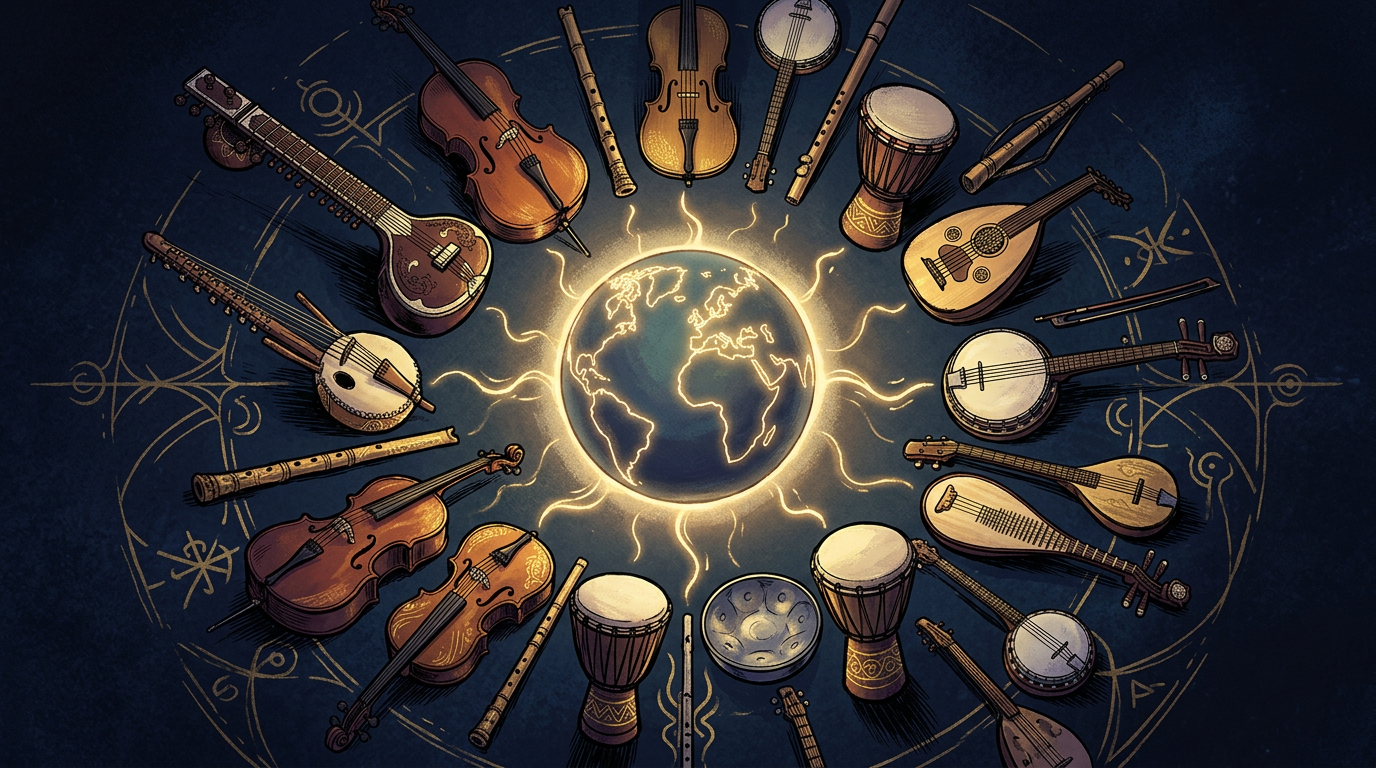

The Sound of Peace: Exploring the Intersection of Music and the Nobel Peace Prize
At first glance, music and the Nobel Peace Prize seem to inhabit entirely different spheres. One is the domain of emotional expression, rhythm, and cultural performance; the other is the realm of hard-nosed geopolitics, formal treaties, disarmament, and institutional diplomacy. Yet, despite the Norwegian Nobel Committee’s strict focus on political and humanitarian action—which means no musician has ever won the Peace Prize—music remains deeply intertwined with the global pursuit of peace. From the quiet power of protest anthems to the high-profile stage of the Nobel Peace Prize Concert, music functions as both a catalyst for human rights and an instrument of soft power.
The Strict Criteria of the Peace Prize
To understand why music rarely intersects directly with the Peace Prize, one must look at Alfred Nobel’s original will, which stipulates that the prize should go to those who have “done the most or the best work for fraternity between nations, for the abolition or reduction of standing armies and for the holding and promotion of peace congresses.”
Because of these parameters, the Norwegian Nobel Committee historically favors concrete, structural achievements: diplomats ending civil wars, activists risking their lives against authoritarian regimes, or organizations fighting famine and nuclear proliferation. Cultural contributions, no matter how inspiring, are generally viewed as too abstract to meet the rigorous standard of political peacebuilding. The closest the Nobel institution has ever come to honoring a musician was the controversial awarding of the 2016 Nobel Prize in Literature to Bob Dylan, recognizing how his lyrics shaped poetic expression—proving that while words can cross the threshold of art into high recognition, standard musical composition remains outside the prize’s scope.

Music as a Weapon for Social Change and Resistance
Even without a medal, musicians have historically served on the frontline of peacebuilding through protest and solidarity. When institutional diplomacy fails, music often bridges divides, unifies oppressed populations, and defies authoritarian regimes.
- Anthems of Defiance: From civil rights spirituals like “We Shall Overcome” to anti-apartheid anthems and underground songs echoing through modern pro-democracy movements, music bypasses government censorship. It gives a collective voice to those who have been silenced, functioning as an early warning system for social injustice.
- Cultural Healing: In post-conflict zones, grassroots music programs are frequently deployed to heal trauma among children and former combatants. Community choirs and shared musical spaces rebuild social trust where political infrastructure has collapsed.
The Nobel Peace Prize Concert: Soft Power in Action
For decades, the intersection of music and the Nobel institution took center stage at the annual Nobel Peace Prize Concert in Oslo. Established in 1994, this high-profile event brought together world-famous artists—ranging from legendary rock icons to global pop stars—to celebrate the sitting year’s laureate.
The concert represents a fascinating exercise in cultural diplomacy. By blending serious geopolitical milestones with mainstream entertainment, the event utilized the soft power of music to broadcast humanitarian messages to millions of younger viewers worldwide who might otherwise ignore international politics. It highlighted a vital modern truth: while a song cannot sign a peace treaty, it can create the cultural empathy and shared emotional groundwork necessary for peace to take root.
Conclusion
Can music win a Nobel Peace Prize? Technically and historically, no. The prize remains reserved for the architects of political stability and human rights protection. However, music does something equally vital: it sustains the human spirit that makes peace worth fighting for in the first place. Whether through a protest song that rallies a democracy movement or a global benefit concert that unites nations in shared grief and hope, music acts as the emotional heartbeat of the global peace movement.




Leave a Reply