
For a long time, the goal of a vacation was speed. People wanted to see as many cities as possible in one week. They’d fly from place to place, rushing to check off famous landmarks and take quick photos.
Today, a lot of travelers are feeling burnt out by that fast-paced style. Instead, they are choosing a different path: slow travel. And at the heart of this movement is a return to train journeys.
The Problem with Flying
Think about modern air travel. It can feel cold and stressful. You stand in long lines, take off your shoes for security, and sit in a crowded gate. Once you are on the plane, you fly high above the clouds, completely cut off from the world below. Geography becomes a blur, and you miss the actual journey.

Why People Love Trains
Taking a train changes everything. It turns the trip into a relaxing, enjoyable part of the vacation.
- It’s Better for the Planet: With people paying more attention to the environment, trains are a much greener choice than airplanes.
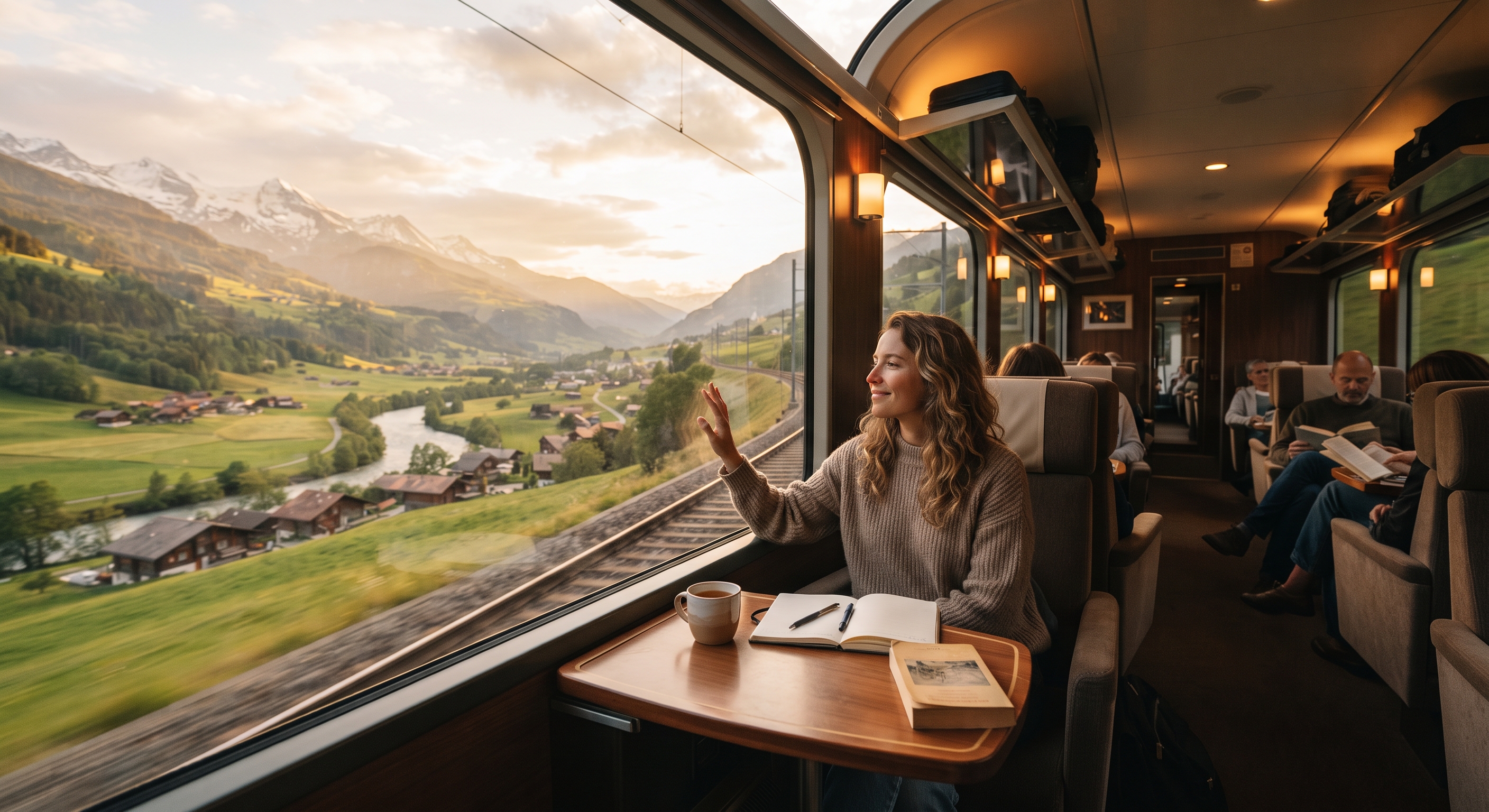
- It Gives You Peace of Mind: On a train, you don’t have to stress about traffic or airport rules. You can sit back, read a book, listen to music, or simply look out the window.
- You See the Real World: A train window acts like a moving movie screen. Instead of looking at clouds, you watch rolling hills, quiet towns, backyards, and changing landscapes.
A Better Way to Travel
When you travel by train, you don’t just magically appear in a new city. You watch the world change slowly around you. You see how the houses, the trees, and even the light look different as you cross regions.
By choosing the train, we remember that travel isn’t a race to the finish line. Sometimes, the best part of the adventure is taking your time and enjoying the ride.




Leave a Reply