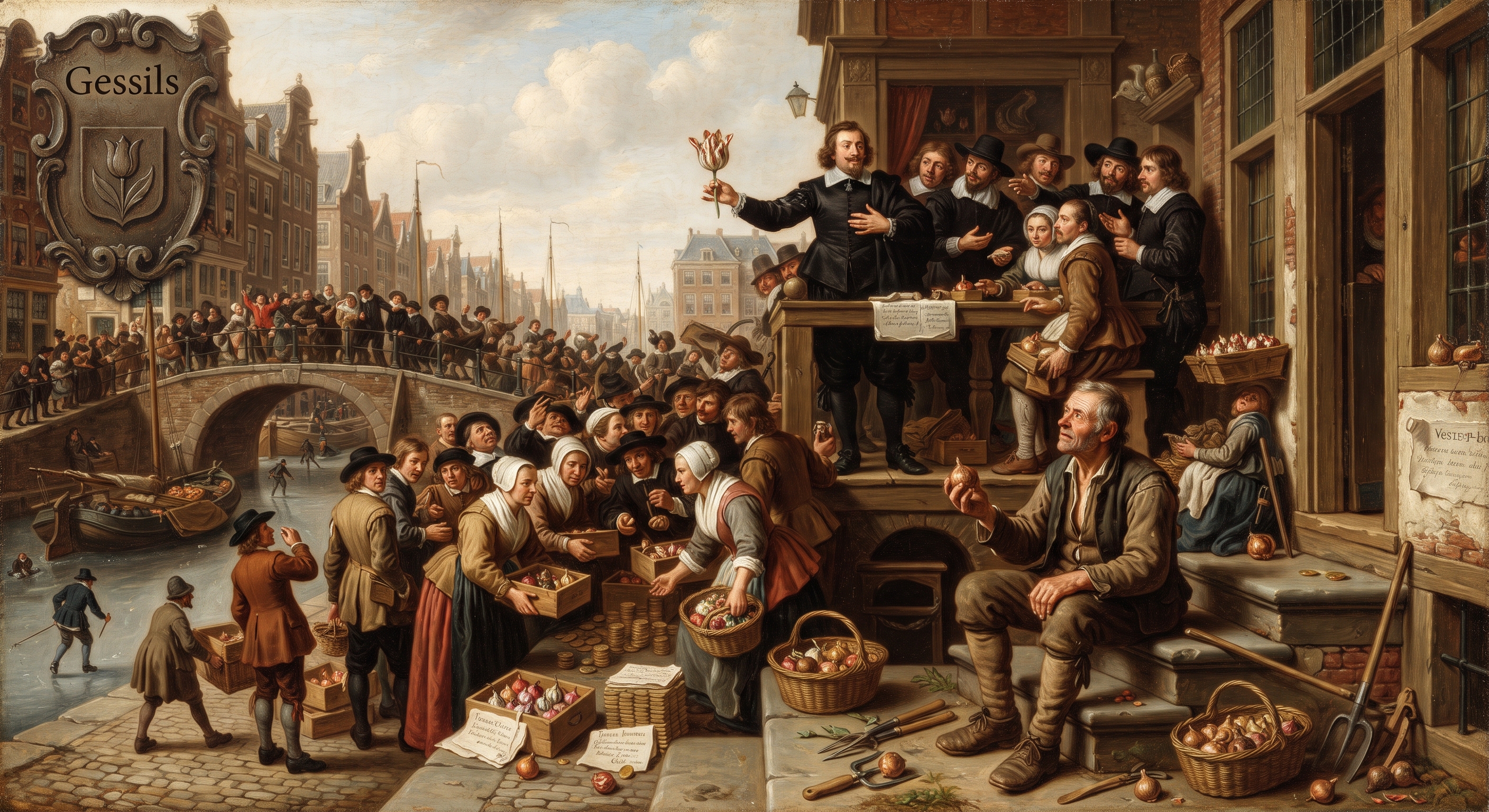
Cultivating Resilience: Finding Hope and Wisdom in History’s Greatest Missteps
History is filled with grand triumphs, but some of its most profound lessons are carved out of human error. The 17th-century Dutch Tulip Mania is often remembered as a cautionary tale of greed and financial ruin. Yet, beneath the chaotic scramble for colorful petals lies a deeply human story about aspiration, creativity, and the power of imagination. When viewed through an inspirational lens, this historical episode transforms from a mere warning about markets into a powerful reflection on what it means to dream big, adapt to change, and build something lasting out of the unexpected.

The Power of Daring to Imagine
At its heart, the tulip craze began because everyday people looked at the natural world and saw incredible potential. The stunning, feathered patterns that captivated seventeenth-century society were actually the result of a plant virus, but to the people of the Dutch Golden Age, they represented living art. They dared to look beyond the ordinary and assign immense value to beauty and novelty.
This spark of imagination reminds us of our own capacity to envision a better, more vibrant future. Innovation and progress have never been born from playing it safe; they stem from the human urge to create, explore, and find inspiration in the unexpected. The desire to elevate our surroundings and strive for excellence is a noble impulse, one that drives art, community, and personal growth.

Navigating Life’s Sudden Shifts
When the tulip bubble burst in 1637, it felt like the end of the world for those caught up in the frenzy. Fortunes vanished overnight, and certainty dissolved into thin air. Yet, a remarkable truth about human resilience emerged: the broader Dutch economy did not collapse, and society did not perish. People picked up the pieces, returned to traditional trades, and continued building their lives.
This teaches us a profound lesson about setbacks. Life frequently brings unexpected shifts—moments when plans unravel and our investments of time, energy, or hope seem to lose their value overnight. Tulip Mania reminds us that no single failure defines our entire story. True resilience is the quiet, courageous act of adapting when the ground shifts beneath our feet, dusting ourselves off, and channeling our energy back into tangible, meaningful work.
Rooting Ourselves in What Truly Matters
Ultimately, the story of the tulip reminds us to distinguish between fleeting hype and enduring value. The most beautiful flowers grow from deep, well-tended roots in rich soil, not from hurried speculation.
In our own lives, lasting fulfillment comes from nurturing authentic relationships, pursuing meaningful passions, and investing in growth that stands the test of time. When we focus on cultivating real substance rather than chasing temporary illusions, we build a foundation that no market crash or sudden storm can ever wash away.





Leave a Reply